Blog

  • The Most-Watched Tournament in Cricket: A Deep Dive into the ICC Cricket World Cup

    The Most-Watched Tournament in Cricket: A Deep Dive into the ICC Cricket World Cup

    Cricket, often called “the gentleman’s game,” transcends mere sport in many parts of the world; it’s a religion, a passion, and a unifying force. While numerous cricket tournaments captivate audiences globally, one stands head and shoulders above the rest in terms of viewership, prestige, and sheer spectacle: the ICC Cricket World Cup. This article will delve into what makes this tournament the most-watched, exploring its history, format, impact, and the unforgettable moments it consistently delivers.

    1. A Brief History of the Cricket World Cup

    The concept of a global cricket championship wasn’t always a given. For decades, Test cricket, played over five days, was considered the pinnacle. However, the advent of One-Day Internationals (ODIs) in the early 1970s paved the way for a more dynamic, spectator-friendly format.

    Table 1.1: Early World Cup Milestones

    YearHost Nation(s)WinnerKey Innovation/Fact
    1975EnglandWest IndiesFirst-ever Cricket World Cup
    1979EnglandWest IndiesSecond consecutive win for West Indies
    1983EnglandIndiaFirst time an Asian team won; upset victory
    1987India & PakistanAustraliaFirst time held outside England

    Export to Sheets

    The first ICC Cricket World Cup was held in England in 1975, predating even the FIFA World Cup in football by a significant margin. It was a groundbreaking event, bringing together teams from around the world to compete in the then-novel 60-over format. The West Indies, under the charismatic leadership of Clive Lloyd, dominated the early editions, showcasing their formidable fast bowling and powerful batting.

    The tournament’s move outside England in 1987, co-hosted by India and Pakistan, marked a pivotal shift, demonstrating cricket’s growing global appeal, particularly in the subcontinent. This move also saw a reduction to the now-standard 50-over format, making games more concise and engaging.

    2. The Format: A Marathon of Skill and Strategy

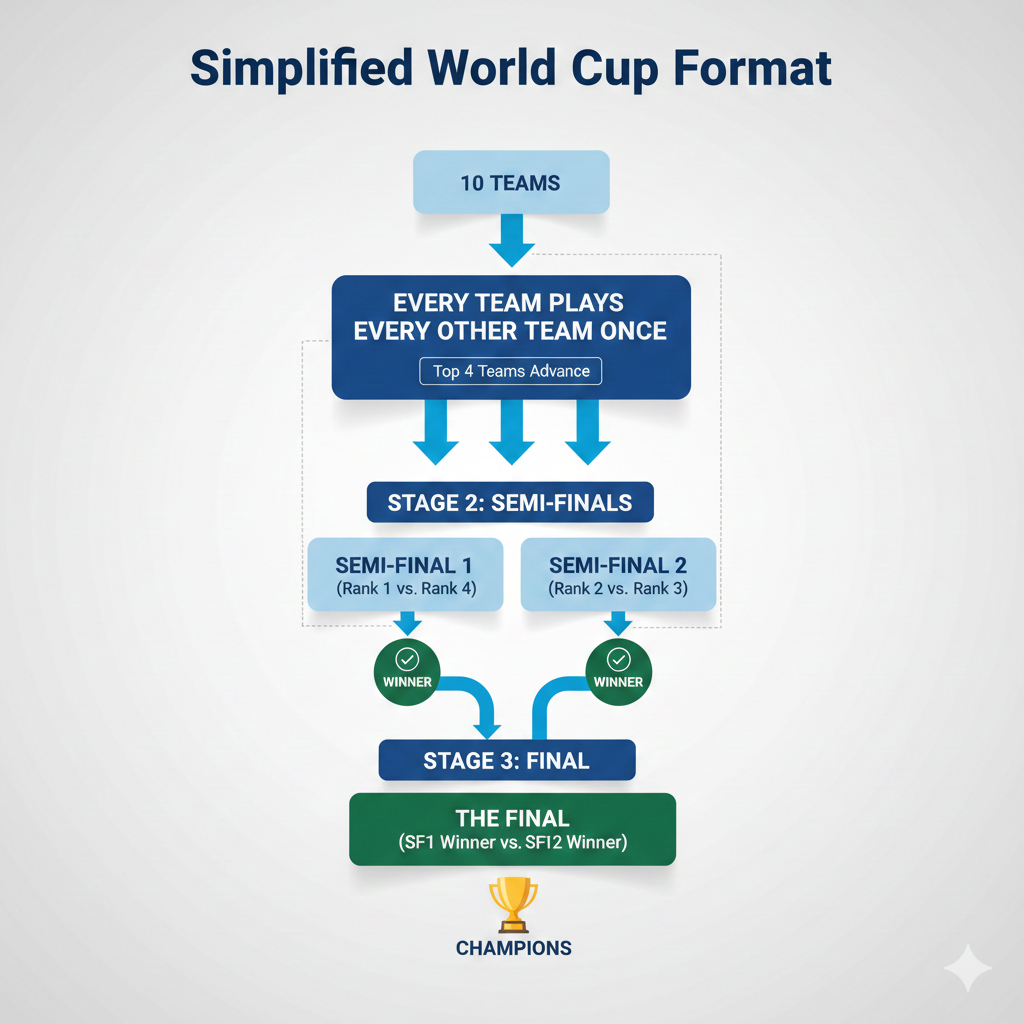
    The ICC Cricket World Cup typically involves ten teams, though historically, this number has varied. The format generally begins with a round-robin stage, where every team plays every other team once. This ensures that the best-performing teams truly earn their spot in the knockout stages.

    Figure 2.1: Simplified World Cup Format Flowchart

    simplified world cup format flowchart image
    • Round Robin: This initial stage is a test of consistency, resilience, and adaptability. Teams must perform well against a variety of opponents, often in different conditions and venues.
    • Semi-Finals: The top four teams from the round-robin stage advance to the semi-finals. These are high-stakes, sudden-death matches where one mistake can end a team’s World Cup dream.
    • Final: The winners of the two semi-finals battle it out in the grand final, a single match that determines the world champion. The tension, drama, and emotion of the final are unparalleled.

    This format ensures a prolonged period of exciting cricket, building anticipation with each passing match and culminating in a thrilling knockout stage.

    3. Global Reach and Viewership: Why It’s Number One

    The primary reason for the Cricket World Cup’s status as the most-watched cricket tournament lies in its immense global reach and the sheer passion of its fanbase.

    Table 3.1: Estimated Viewership of Recent Cricket World Cups

    TournamentEstimated Global Unique ViewersKey Regions Contributing
    2011 World Cup~2.2 billionIndia, Pakistan, Bangladesh, Sri Lanka, UK, Australia
    2015 World Cup~2.5 billionIndia, Australia, New Zealand, UK, South Africa
    2019 World Cup~2.6 billionIndia, UK, Pakistan, Bangladesh, Australia, South Africa

    Export to Sheets

    Source: Various ICC, broadcast partner, and sports media reports (estimates)

    Several factors contribute to these staggering viewership numbers:

    • Cricket-Crazy Nations: Countries like India, Pakistan, Bangladesh, Sri Lanka, and Afghanistan, with their massive populations, treat cricket as their primary sport. A World Cup match involving their national team can bring entire nations to a standstill.
    • Diaspora Audience: Large diaspora communities of these cricket-loving nations residing in countries like the UK, USA, Canada, Australia, and the UAE further amplify the viewership. They tune in, often at odd hours, to support their ancestral teams.
    • Legacy Cricket Nations: Traditional cricket powerhouses such as England, Australia, New Zealand, South Africa, and West Indies have deeply ingrained cricket cultures, contributing consistently strong viewership.
    • Broadcast and Digital Innovation: The ICC and its broadcast partners continually innovate, offering high-definition broadcasts, multi-language commentary, digital streaming platforms, and immersive viewing experiences, making the tournament accessible to a wider audience than ever before.
    • Rivalries: The tournament ignites intense rivalries, such as India vs. Pakistan, England vs. Australia (The Ashes rivalry extended to ODIs), and Australia vs. New Zealand. These matches generate unparalleled hype and viewership.

    4. Economic Impact and Sponsorship

    The Cricket World Cup is not just a sporting spectacle but also an economic powerhouse. Its massive viewership attracts top global brands, making it a lucrative event for the ICC, host nations, and broadcasters.

    Figure 4.1: Breakdown of World Cup Revenue Streams (Illustrative)

    icc world cup reveneue streams 2019 graph

    5. The Evolution of Viewership: Breaking the Billions

    The Cricket World Cup has seen exponential growth in its audience. While the 1990s focused on television sets in living rooms, the 2020s are dominated by smartphones and “peak concurrency”—the number of people watching at the exact same second.

    Table 5.1: The Growth of Global Viewership

    EditionYearEstimated Global ReachPeak Digital Concurrency
    UK1999500 MillionN/A
    India/SL/Ban2011900 Million2 Million
    Australia/NZ20151.5 Billion15 Million
    England/Wales20192.6 Billion25 Million
    India20235.0 Billion+ (Total interactions)59 Million

    The 2023 World Cup in India was a “watershed” moment. By offering free streaming on mobile devices via Disney+ Hotstar, the tournament reached deep into rural areas, pushing digital viewership to nearly 60 million concurrent users during the final match between India and Australia.

    6. The “India-Pakistan” Factor

    You cannot talk about cricket viewership without mentioning the India vs. Pakistan rivalry. In many ways, this single match is a “tournament within a tournament.”

    • Political Context: Because these two nations rarely play bilateral series due to political tensions, the World Cup is one of the few places they meet.
    • Audience Surge: The 2023 clash in Ahmedabad saw a peak live concurrency of 76 million on TV and 35 million on digital platforms simultaneously.
    • Global Impact: Advertisers pay up to 10 times the usual rate for a 10-second spot during this specific game compared to other group-stage matches.

    Note: The India-Pakistan match consistently ranks among the most-watched sporting events globally, often rivaling the viewership of the FIFA World Cup Final in specific regions.

    7. Economic Powerhouse: Impact on Host Nations

    The World Cup is a massive money-maker. For the 2023 edition, the economic impact was staggering.

    Table 7.1: Economic Impact of CWC 2023 (India)

    SectorImpact (Estimated USD)Description
    Tourism & Travel$861.4 MillionHotel bookings, flights, and local transport.
    Secondary Spending$515.7 MillionRetail, food, and beverage outside stadiums.
    Job Creation48,000+ JobsFull-time and part-time roles in hospitality.
    Media Impact$70.7 MillionCity branding and global exposure for host cities.
    Total Impact$1.39 BillionTotal boost to the national economy.

    8. Format Evolution: From 60 Overs to 14 Teams

    The ICC constantly tweaks the format to keep fans engaged while ensuring the tournament remains a “fair” test of skill.

    • The 60-Over Era (1975–1983): Played in white clothes with a red ball.
    • The 50-Over Shift (1987): To accommodate shorter daylight hours in the Indian sub-continent.
    • The “Round Robin” Dominance: The 2019 and 2023 editions used a format where every team plays every other team. This eliminates “easy groups” and ensures the most consistent teams reach the semi-finals.
    • Future Expansion (2027): The ICC has confirmed the tournament will expand to 14 teams to help grow the game in Associate nations like Nepal, the USA, and Namibia.

    9. The Future of the World Cup

    The ICC Cricket World Cup remains the undisputed king of cricket tournaments. While the Indian Premier League (IPL) offers more glamour and higher yearly revenue, the World Cup offers immortality.

    As we look toward the 2027 World Cup in South Africa, Zimbabwe, and Namibia, the focus will shift toward sustainability and hybrid viewing (Augmented Reality stats and multi-camera angles). Cricket is no longer just a sport for the Commonwealth; with the USA and China showing increased interest, the 5 billion viewership mark is likely just the beginning.

    Key Takeaways:

    • India is the commercial engine of the cricket, accounting for nearly 70% of global revenue.
    • Digital Streaming has overtaken traditional TV in terms of growth.
    • The Format is moving back toward expansion to include more global teams.
  • Muttiah Muralitharan Biography

    Muttiah Muralitharan Biography

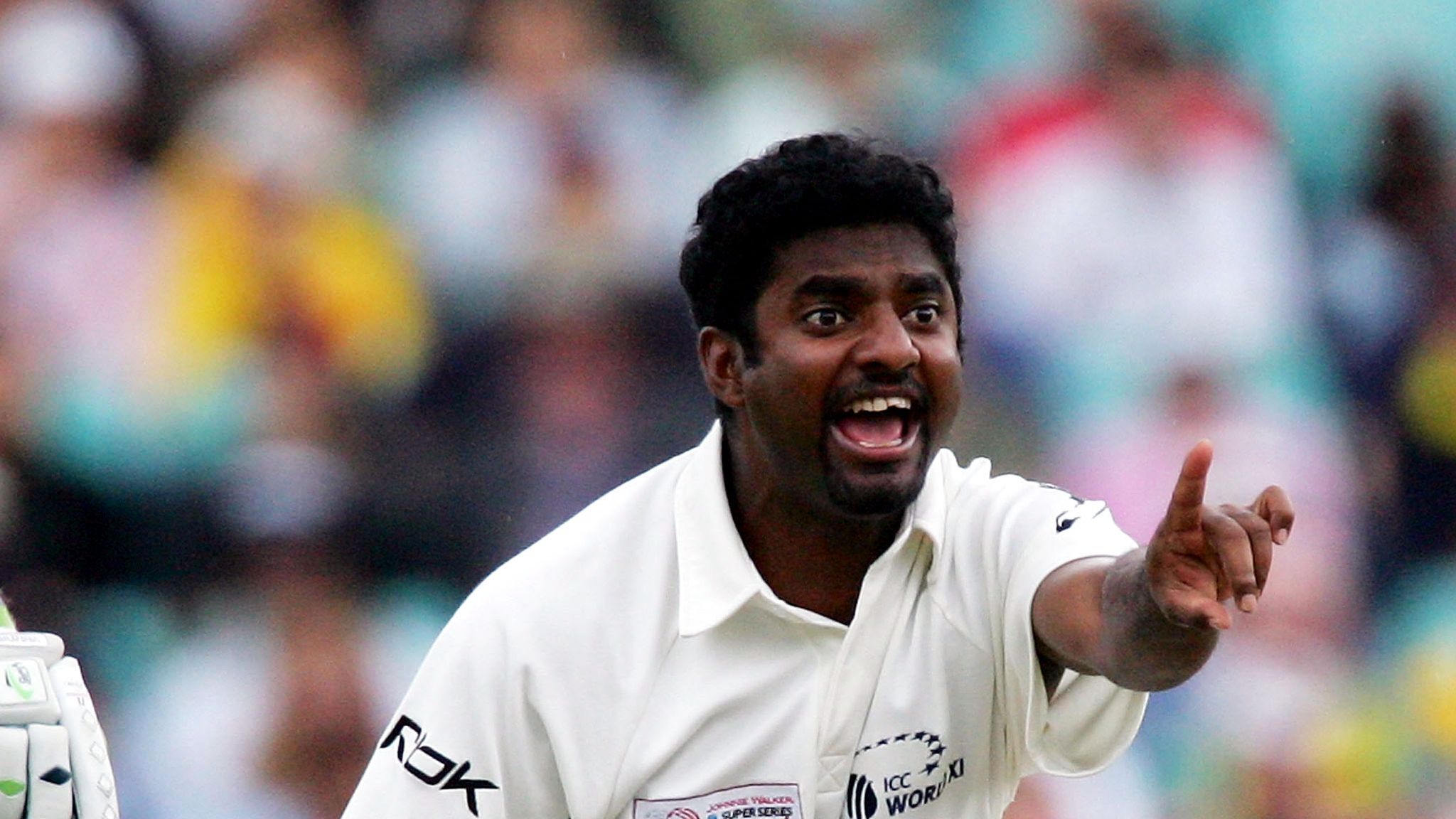
    Muttiah Muralitharan, lovingly known as Murali, is one of the most iconic and successful cricketers the world has ever seen. He is widely regarded as the greatest spin bowler in the history of cricket, holding records that may never be broken. With 800 Test wickets and 534 ODI wickets, Murali’s name is forever written in golden letters in the history of the game.

    His journey from a modest childhood in Sri Lanka to becoming a global cricketing legend is inspiring. It is a story of talent, perseverance, mental strength, and unwavering dedication. This biography explores Muttiah Muralitharan’s early life, struggles, achievements, records, career highlights, personal life, and legacy in simple and easy English.

    Basic Profile

    FieldDetails
    Full NameDeshabandu Muttiah Muralitharan
    NicknameMurali
    Date of Birth17 April 1972
    BirthplaceKandy, Sri Lanka
    Height5 ft 7 in (170 cm)
    Batting StyleRight-handed
    Bowling StyleRight-arm Off-spin
    RoleBowler
    National TeamSri Lanka

    Early Life and Childhood

    Muttiah Muralitharan was born in the beautiful city of Kandy, Sri Lanka. He grew up in a Tamil Hindu family. His father worked in a tea plantation, and his mother took care of the household. Murali’s childhood was simple, and he learned the value of discipline and hard work at a very young age.

    As a schoolboy, Murali was interested in many sports. At first, he wanted to become a fast bowler, but his coach noticed that his natural wrist position helped him spin the ball more effectively. The coach advised Murali to focus on spin bowling. This decision changed his life forever.

    Murali studied at St. Anthony’s College, Kandy, where he quickly became famous for his ability to take wickets. His bowling action looked unusual, but it was extremely effective. Even at a young age, Murali showed signs of becoming a special cricketer.

    Domestic Cricket Journey

    Murali began his domestic cricket career playing for Sri Lanka’s local teams. His performances were outstanding. He consistently took wickets and troubled experienced batsmen.

    Selectors soon noticed his talent and included him in Sri Lanka’s national squad. Murali’s rise from school cricket to international cricket was fast, but it was based on strong performances and dedication.

    International Debut

    FormatDebut YearOpponent
    Test1992Australia
    ODI1993India
    T20IDid not play

    Murali made his Test debut against Australia in 1992 at the age of 20. He impressed everyone with his control and ability to turn the ball sharply. His ODI debut came in 1993 against India.

    Bowling Action Controversy

    One of the most difficult phases of Murali’s career was the controversy surrounding his bowling action. On several occasions, umpires called his action illegal.

    Scientific tests later proved that Murali had a naturally bent arm and that his bowling action was within legal limits. The International Cricket Council (ICC) cleared him.

    Murali remained calm during this tough time and continued to perform brilliantly. His mental strength and patience earned him great respect.

    Rise to Stardom

    From the mid-1990s onwards, Murali became Sri Lanka’s main strike bowler. He was almost unplayable on spin-friendly pitches. His accuracy, variations, and sharp turn made him a nightmare for batsmen.

    Murali’s ability to take wickets in any conditions made him special. He could dominate both at home and abroad.

    Role in 1996 World Cup Victory

    Murali played a crucial role in Sri Lanka’s historic 1996 Cricket World Cup win. His economical bowling and timely wickets helped Sri Lanka defeat strong teams and lift their first World Cup trophy.

    This victory turned Murali into a national hero.

    Unique Bowling Skills

    Murali possessed a wide range of deliveries:

    • Off-break
    • Doosra
    • Topspin
    • Arm ball
    • Carrom ball

    His variations kept batsmen guessing and gave him an edge over opponents.

    Test Career Statistics

    MatchesWicketsAverageBest Bowling5W Hauls10W Hauls
    13380022.729/516722

    ODI Career Statistics

    MatchesWicketsAverageBest BowlingEconomy Rate
    35053423.087/303.93

    Record-Breaking Achievements

    • Highest wicket-taker in Test cricket history (800)
    • Highest wicket-taker in ODI cricket history (534)
    • Most five-wicket hauls in Tests
    • Fastest to reach 700 Test wickets
    • First bowler to take 800 Test wickets

    Captaincy

    Murali captained Sri Lanka briefly in ODIs. Although leadership was not his main focus, he always led by example.

    IPL and Franchise Cricket

    Murali played in the Indian Premier League (IPL) for Chennai Super Kings and Kochi Tuskers Kerala. He also represented several T20 teams around the world.

    Retirement

    Murali retired from Test cricket in 2010 after taking his 800th wicket. He retired from ODI cricket in 2011.

    Life After Retirement

    After retirement, Murali worked as a coach, mentor, and commentator. He also runs charitable foundations supporting education and healthcare.

    Personal Life

    Murali is married to Madhimalar Ramamurthy. He is known for his simple lifestyle and humble nature.

    Awards and Honors

    • ICC Cricketer of the Year
    • Wisden Cricketer of the Year
    • Sri Lanka’s National Honors

    Legacy

    Muttiah Muralitharan is remembered as the greatest spin bowler of all time. His records and impact on cricket are unmatched.

    Career Timeline (Highlights)

    • 1992: Test debut vs Australia
    • 1993: ODI debut vs India
    • 1996: Wins Cricket World Cup with Sri Lanka
    • 2004: Becomes highest wicket-taker in Test cricket
    • 2010: Takes 800th Test wicket and retires from Tests
    • 2011: Retires from ODI cricket

    Comparison with Other Legendary Bowlers

    BowlerTest WicketsODI Wickets
    Muttiah Muralitharan800534
    Shane Warne708293
    Anil Kumble619337
    Wasim Akram414502

    Murali stands at the top of the list as the highest wicket-taker in both Tests and ODIs.

    Famous Quotes About Muralitharan

    “Murali is the toughest bowler I have ever faced.” – Sachin Tendulkar
    “A once-in-a-generation bowler.” – Shane Warne
    “Murali redefined spin bowling.” – Ricky Ponting

    Frequently Asked Questions (FAQs)

    Q1. Why is Muttiah Muralitharan called the greatest spin bowler?
    Because he holds the record for most wickets in Test and ODI cricket and dominated batsmen for nearly two decades.

    Q2. How many wickets did Murali take in Test cricket?
    Murali took 800 Test wickets.

    Q3. Did Murali win a World Cup?
    Yes, he won the 1996 Cricket World Cup with Sri Lanka.

    Q4. What is Murali’s best bowling figure in Tests?
    9 wickets for 51 runs (9/51).

    Q5. When did Muralitharan retire?
    He retired from Tests in 2010 and ODIs in 2011.

    Conclusion

    Murali’s life story is an inspiration for millions. From facing controversies to becoming the highest wicket-taker in history, he proved that dedication and hard work can overcome any obstacle.

    Muttiah Muralitharan will always remain a true legend of world cricket.

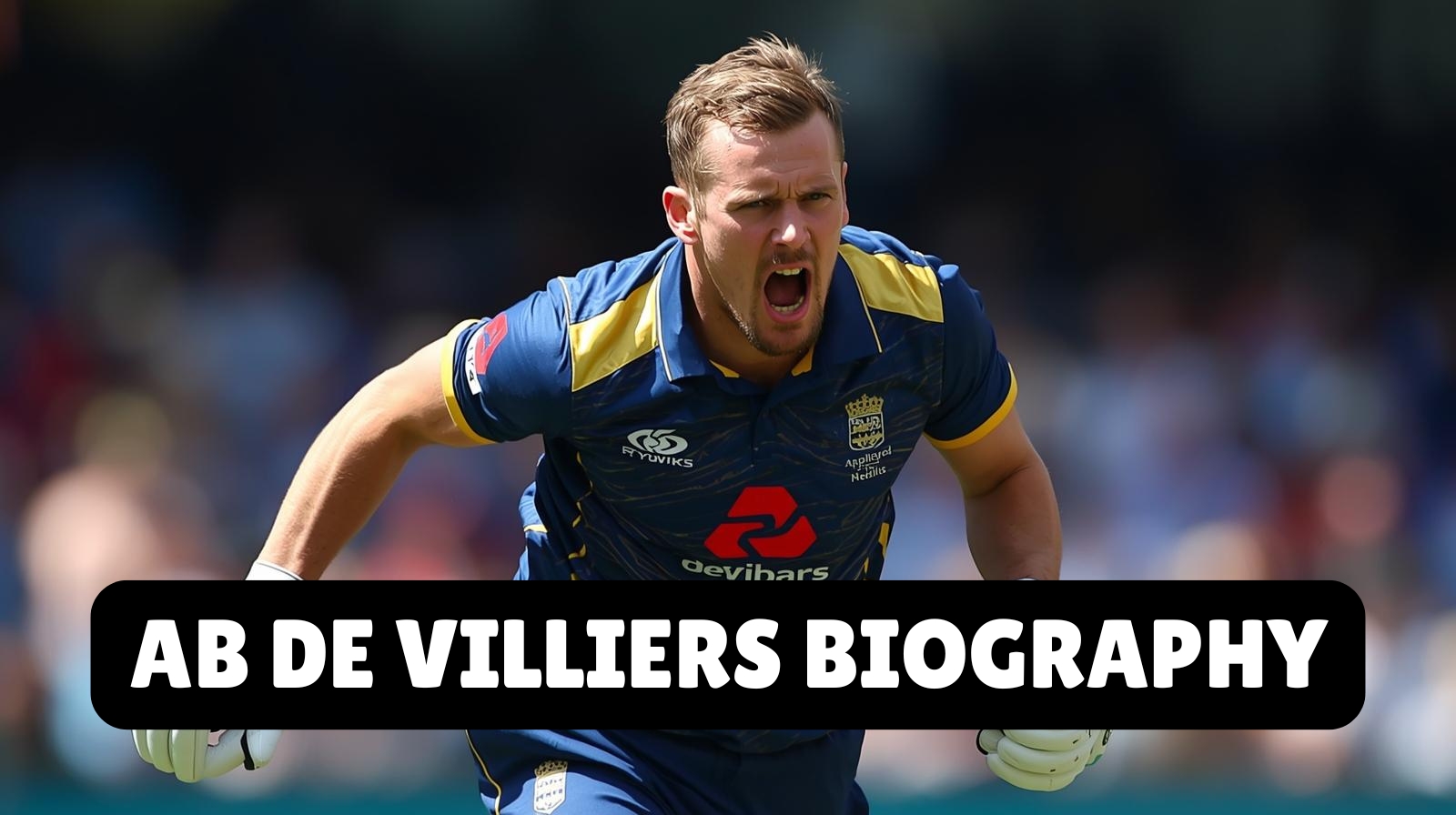
  • AB de Villiers Biography

    AB de Villiers Biography

    Abraham Benjamin de Villiers, popularly known as AB de Villiers or simply ABD, is one of the most gifted and innovative cricketers the world has ever seen. Nicknamed “Mr. 360”, AB de Villiers is admired for his ability to play every possible shot in cricket, often in the most unconventional ways. From humble beginnings in South Africa to becoming a global cricketing icon, his journey is a story of talent, discipline, adaptability, and passion.

    This complete biography explores AB de Villiers’ early life, domestic and international career, records, achievements, playing style, IPL journey, personal life, and his lasting impact on world cricket.

    Basic Profile

    FieldDetails
    Full NameAbraham Benjamin de Villiers
    NicknameMr. 360
    Date of Birth17 February 1984
    Place of BirthPretoria, South Africa
    Height5 ft 10 in (178 cm)
    Batting StyleRight-handed
    Bowling StyleRight-arm medium, leg-break
    RoleBatsman / Wicket-keeper
    National TeamSouth Africa

    Early Life and Childhood

    AB de Villiers was born in Pretoria, South Africa, into a supportive and sports-loving family. From an early age, AB showed exceptional talent not just in cricket but also in multiple sports including rugby, tennis, golf, and swimming. His father played a huge role in encouraging him to pursue sports.

    Interestingly, AB de Villiers was a childhood friend of South African cricketer Faf du Plessis. The two studied together and even shared dreams of playing for South Africa one day. Their friendship later turned into a famous international cricket partnership.

    AB was known in school for his discipline and determination. While many young players struggled to balance education and sports, AB managed both with ease. His natural athleticism and strong hand-eye coordination quickly made him stand out.

    Domestic Cricket Career

    AB de Villiers began his domestic career with Titans (then Northerns). His performances in domestic cricket were impressive from the start. He consistently scored runs and displayed maturity beyond his age.

    His breakthrough came when he scored heavily in South Africa’s domestic competitions, forcing national selectors to take notice. His technique, temperament, and adaptability made him a rare talent.

    International Debut

    FormatDebut MatchYearAgainst
    TestSouth Africa vs England2004England
    ODISouth Africa vs England2005England
    T20ISouth Africa vs Australia2006Australia

    AB de Villiers did not have a spectacular start to international cricket, but he showed promise. Over time, he developed into one of the most reliable batsmen in the world.

    Rise to Stardom

    Between 2008 and 2012, AB de Villiers transformed himself from a technically correct batsman into a destructive match-winner. He began experimenting with unorthodox shots such as scoops, reverse sweeps, and ramp shots.

    What made AB special was not just his shot-making but his ability to adapt. He could play slow and steady innings in Tests and explode in limited-overs cricket.

    The Birth of “Mr. 360”

    AB de Villiers earned the nickname Mr. 360 because he could hit the ball to every part of the ground. Bowlers found it nearly impossible to set a field against him.

    His wrist strength, footwork, and creativity allowed him to invent shots in real time. This made him one of the most feared batsmen in world cricket.

    Captaincy of South Africa

    AB de Villiers captained South Africa across formats at different stages. While leadership was not always his personal goal, he accepted the responsibility for his team.

    As captain, he emphasized teamwork, discipline, and positive cricket. South Africa remained competitive against the strongest teams in the world during his leadership period.

    Batting Style and Technique

    AB de Villiers combined classical cricket technique with modern innovation. Some key aspects of his batting:

    • Strong backlift and balance
    • Lightning-fast reflexes
    • Excellent hand-eye coordination
    • Ability to switch gears instantly
    • Fearless shot selection

    He could defend patiently in Tests and then switch to attacking mode in seconds.

    AB de Villiers in Test Cricket

    Test cricket showcased AB’s complete batting skills. He played many memorable innings under pressure and against top bowling attacks.

    Test Career Stats

    MatchesRunsAverageCenturiesHalf-Centuries
    1148,76550.662246

    AB de Villiers in ODI Cricket

    AB was even more dominant in One Day Internationals. He redefined aggressive batting while maintaining consistency.

    ODI Career Stats

    MatchesRunsAverageCenturiesHalf-Centuries
    2289,57753.502553

    AB de Villiers in T20I Cricket

    In T20Is, AB was known for his finishing ability and explosive stroke play.

    T20I Career Stats

    MatchesRunsAverageStrike RateFifties
    781,67226.12135+10

    Record-Breaking Feats

    AB de Villiers holds some of the most astonishing records in cricket history:

    • Fastest ODI century (31 balls)
    • Fastest ODI fifty (16 balls)
    • Fastest ODI 150 (64 balls)
    • Only player to score 20+ centuries in Tests and ODIs for South Africa

    These records highlight his unmatched attacking ability.

    Indian Premier League (IPL) Career

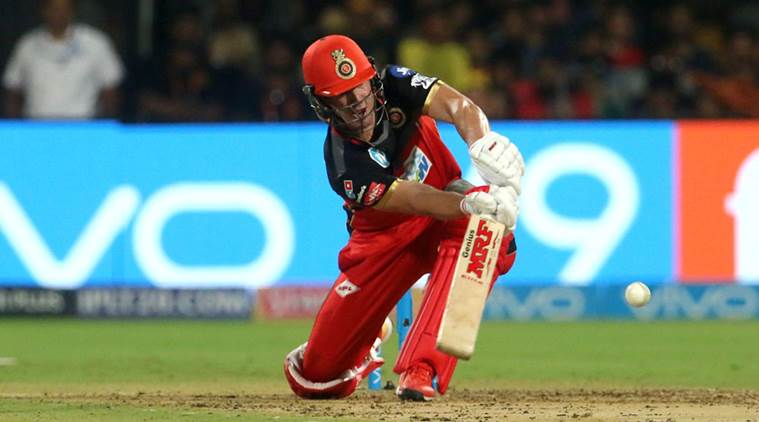
    AB de Villiers became a legend in the Indian Premier League while playing for Royal Challengers Bangalore (RCB).

    He formed iconic partnerships with Virat Kohli and became one of the most loved overseas players in IPL history.

    IPL Career Stats

    MatchesRunsAverageStrike RateCenturiesFifties
    1845,16239.70151+340

    Relationship with Virat Kohli

    AB de Villiers and Virat Kohli share a special bond. Their partnership at RCB is considered one of the greatest in T20 cricket.

    They respect each other deeply, both on and off the field. Fans across the world admire their friendship.

    Fielding Excellence

    AB de Villiers is also regarded as one of the best fielders ever. His athletic dives, quick reflexes, and direct hits often changed the course of matches.


    Retirement from International Cricket

    In May 2018, AB de Villiers shocked the cricketing world by announcing his retirement from international cricket.

    He stated that he was “tired” and wanted to spend more time with his family.


    Life After Retirement

    After retirement, AB continued to play in T20 leagues around the world and remained connected to cricket through commentary and mentoring.

    Personal Life

    AB de Villiers is married to Danielle de Villiers. The couple has children and leads a relatively private life.

    He is also passionate about music and can play the guitar and sing.


    Awards and Honors

    • ICC ODI Player of the Year (multiple times)
    • Wisden Cricketer of the Year
    • South African Cricketer of the Year

    Legacy

    AB de Villiers will always be remembered as one of cricket’s greatest entertainers. He inspired a new generation of cricketers to play fearless and innovative cricket.

    His name will forever stand among the legends of the game.

    Conclusion

    AB de Villiers’ journey from a talented young boy in Pretoria to a global cricket icon is nothing short of extraordinary. His skill, humility, and sportsmanship have earned him respect across nations.

    He is not just a cricketer, but a symbol of what is possible when talent meets dedication.

  • AB de Villiers: The 31-Ball Miracle Fastest Century in ODI History

    AB de Villiers: The 31-Ball Miracle Fastest Century in ODI History

    On January 18, 2015, the Wanderers Stadium in Johannesburg wasn’t just a cricket ground; it was a launchpad of Fastest Century in ODI History. Clad in pink for breast cancer awareness, South Africa took to the field against the West Indies, and by the end of the day, the cricketing world would never be the same.

    While Hashim Amla and Rilee Rossouw had already set a massive platform with a 247-run opening stand, the arrival of AB de Villiers at the crease transformed a strong performance into a historic massacre.


    The Perfect Storm: Context of the Innings

    When Rossouw fell in the 39th over, the crowd expected David Miller. Instead, out walked the captain, AB de Villiers. He later admitted he didn’t even want to bat—he wanted Miller to go in—but coach Russell Domingo insisted.

    What followed was 44 minutes of pure, unadulterated carnage.

    The Milestone Breakdown

    To understand the gravity of this feat, you have to look at the “gears” De Villiers shifted through. Most players take ten balls to find their timing; De Villiers took ten balls to destroy a bowling attack’s spirit.

    MilestoneBalls TakenPrevious Record Holder
    Fastest 5016 BallsSanath Jayasuriya (17 balls)
    Fastest 10031 BallsCorey Anderson (36 balls)
    Final Score149 (44 balls)

    Fastest Century in ODI History: How He Did It

    De Villiers didn’t just hit the ball; he manipulated the field like a grandmaster playing speed chess. His 149 runs included 9 fours and 16 sixes, meaning 132 of his runs came in boundaries alone.

    1. The 360-Degree Vision

    This innings was the ultimate showcase of why he is called “Mr. 360.” He didn’t wait for the bowlers to miss their marks; he forced them to. By moving across the stumps or backing away, he made yorkers look like half-volleys and short balls look like gifts.

    2. Mental Dominance

    By the time he reached his fifty in 16 balls, the West Indian bowlers were visibly shaken. Jerome Taylor, Jason Holder, and Andre Russell—all world-class athletes—looked like they had nowhere to hide. De Villiers wasn’t just playing a sport; he was conducting a symphony of destruction.

    “I was on 92 when I realized I was close to the record. I didn’t want to think about it, I just wanted to keep the momentum going for the team.” — AB de Villiers


    The Legacy of 31 Balls Fastest Century in ODI History

    Before this day, many thought Corey Anderson’s 36-ball century (set just a year prior in 2014) would stand for decades. Before Anderson, Shahid Afridi’s 37-ball record had stood for 17 years.

    De Villiers didn’t just break the record; he took it to a place that feels unreachable for most human beings. It redefined the “death overs” strategy in ODI cricket, proving that with the right talent, no total is safe and no boundary is far enough.

    Why this record might never be broken:

    • The Strike Rate: He finished with a strike rate of 338.63. In an ODI, that is statistically anomalous.
    • Consistency: Most “hitters” have a high dot-ball percentage. De Villiers, however, seemed to find a boundary or a gap on every single delivery.
    • The Pressure: Doing this as a captain while maintaining perfect technical form is a feat of physical and mental coordination that few possess.

    Statistical Highlights Fastest Century in ODI History

    • Most Sixes in an Innings: He equaled the then-record of 16 sixes (shared with Rohit Sharma).
    • Team Total: South Africa ended on 439/2, the second-highest ODI total at that time.
    • Average per Over: During his stay, South Africa scored at an average of nearly 16 runs per over.

    Final Thoughts

    AB de Villiers’ 149 off 44 balls remains Fastest Century in ODI History the gold standard for limited-overs batting. It was a day where physics seemed optional and the boundary ropes felt like they were ten feet away. For those who watched it live, it wasn’t just a game of cricket; it was a “where were you?” moment in sporting history.

    The record stands at 31 balls Fastest Century in ODI History. The question is: will anyone ever possess the audacity to challenge it?

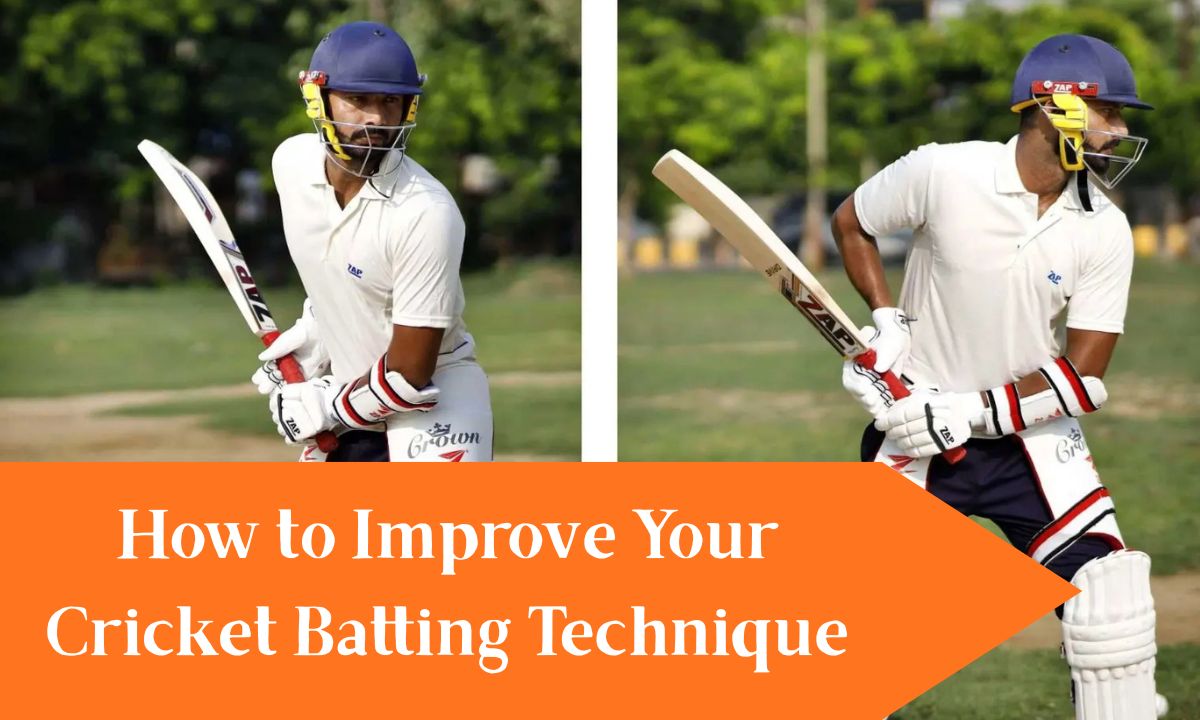
  • How to Improve Your Cricket Batting Technique

    How to Improve Your Cricket Batting Technique

    Batting is one of the most crucial aspects of cricket. A good batsman can change the course of a match, but becoming a great batsman requires more than just raw talent. Improving your cricket batting technique is a blend of physical skill, mental sharpness, and strategic awareness. Whether you are a beginner or an experienced player, refining your technique can help you score consistently, handle different types of bowlers, and enjoy the game even more.

    In this blog, we’ll explore the key elements of batting technique, drills to enhance your skills, common mistakes to avoid, and a comprehensive table of batting techniques for better understanding.

    1. Understand the Basics of Batting Technique

    Before attempting advanced shots, mastering the basics is essential. These fundamentals form the foundation of every successful batsman:

    ✅ Stance

    • Keep your feet shoulder-width apart.
    • Bend your knees slightly for balance.
    • Hold the bat comfortably, keeping your hands relaxed.

    ✅ Grip

    • Use the “V” grip technique: the “V” formed by the thumb and index finger should point down the back of the bat.
    • Maintain a firm but flexible grip to allow fluid movement of the wrists.

    ✅ Backlift

    • Raise the bat straight back, either towards the slips or slightly towards leg slip depending on your style.
    • A consistent backlift helps generate power and control.

    ✅ Footwork

    • Move your feet quickly towards the pitch of the ball.
    • Front foot forward for drives, back foot for cuts and pulls.
    • Good footwork ensures balance and proper shot execution.

    ✅ Head Position

    • Keep your head still and eyes level.
    • Focus on watching the ball until it hits the bat.

    2. Batting Techniques Table

    Here’s a comprehensive table of essential cricket batting techniques:

    TechniqueDescriptionWhen to UseCommon Mistakes
    Forward DefensePushes the ball with a straight bat along the groundTo block full-length ballsLeaning back, lifting bat too early
    Backfoot DefenseUses the back foot to play short-pitched deliveriesAgainst bouncers or short ballsWeight on toes, off-balance shot
    Drive (Cover Drive / Straight Drive)Elegant shot played along the ground or slightly aerialFull-length balls in line with stumpsPoor timing, dropping head
    Pull ShotHit to short-pitched balls on leg sideBouncer or short ballsSwinging wildly, missing the ball
    Cut ShotHit to short-pitched balls outside off stumpShort and wide deliveriesOverreaching, mistiming
    Sweep ShotCross-bat shot to spin bowlingSlow spin, low bouncing ballsLifting head, losing balance
    Hook ShotPlaying against short and rising ballsBouncer aimed at the upper bodyMissing the ball, top edge
    Lofted ShotAerial shot over infieldTo clear fielders and score boundariesRisk of getting out, poor timing
    Flick ShotUses wrists to hit ball on leg sideFull-length balls on leg stumpTop edge, weak placement
    Reverse SweepInnovative shot to hit opposite sideAgainst spin bowlers to surprisePoor execution, misjudging line

    3. Drills to Improve Batting Technique

    1. Shadow Batting

    • Stand in front of a mirror and practice footwork and shot selection.
    • Helps correct stance, backlift, and follow-through without facing a ball.

    2. Tennis Ball Drill

    • Practice hitting a tennis ball with a cricket bat to improve hand-eye coordination.
    • Safe for beginners and helps refine timing.

    3. Throwdowns

    • Coach or partner throws balls from different angles.
    • Focus on technique, balance, and shot selection.

    4. Net Practice

    • Bat against bowlers or bowling machines in nets.
    • Emphasize playing straight, correct footwork, and adjusting to pace.

    5. Footwork Ladder Drill

    • Use agility ladders to improve foot speed and balance.
    • Essential for moving quickly against fast or spin bowling.

    4. Mental Aspects of Batting

    Cricket is as much a mental game as it is physical. Great batsmen have sharp mental skills:

    • Concentration: Focus on every ball, avoiding distractions.
    • Patience: Play long innings without rushing shots.
    • Confidence: Trust your technique and decision-making.
    • Situational Awareness: Understand field placements, bowler’s strategies, and match conditions.

    5. Common Mistakes to Avoid

    Even skilled players often make mistakes that affect performance:

    1. Poor Stance: Leads to imbalance and mistimed shots.
    2. Backlift Issues: Inconsistent backlift reduces power and control.
    3. Neglecting Footwork: Poor foot movement makes handling spin and pace difficult.
    4. Watching the Ball Late: Missing crucial deliveries or edges the ball.
    5. Overreliance on Power: Sacrificing technique for big hits often leads to dismissals.

    6. Tips for Continuous Improvement

    • Practice Regularly: Daily nets or shadow batting improve consistency.
    • Record and Analyze: Video your batting to spot mistakes.
    • Seek Feedback: Work with coaches to refine technique.
    • Play Different Formats: Test yourself in T20, ODI, and Test styles.
    • Stay Physically Fit: Strength and flexibility enhance shot execution.

    7. Advanced Batting Techniques

    Once you master the basics, you can add advanced skills:

    • Switch Hit: Hitting the ball in the opposite stance for spin variations.
    • Helicopter Shot: Wrist-heavy shot to hit yorkers for boundaries.
    • Scoop/Reverse Scoop: Innovative shots against spin bowling.
    • Use of Depth in Footwork: Learning when to leave, step in, or step back.

    8. Equipment and Its Role

    Having the right equipment enhances batting technique:

    • Bat: Choose the correct weight and size.
    • Gloves: Proper fit ensures comfort and grip.
    • Pads and Helmet: Protect against fast bowling, allowing confident stroke play.
    • Shoes: Cricket shoes with spikes improve stability and quick foot movement.

    9. Summary

    Improving your cricket batting technique is a step-by-step process. Start with fundamentals like stance, grip, backlift, and footwork. Learn various shots, practice regularly with drills, and maintain mental focus. Avoid common mistakes, experiment with advanced shots, and use appropriate equipment.

    By combining physical practice, mental preparation, and tactical awareness, you can take your batting to the next level. The table of batting techniques provided here serves as a reference for beginners and professionals alike to understand when and how to play each shot effectively.

    Remember, consistency is key. Every great batsman started by perfecting the basics before attempting the spectacular.

    ⚡ Quick Reference Table of Batting Techniques

    TechniqueDescriptionWhen to UseCommon Mistakes
    Forward DefensePushes the ball with a straight bat along the groundTo block full-length ballsLeaning back, lifting bat too early
    Backfoot DefenseUses the back foot to play short-pitched deliveriesAgainst bouncers or short ballsWeight on toes, off-balance shot
    Drive (Cover Drive / Straight Drive)Elegant shot played along the ground or slightly aerialFull-length balls in line with stumpsPoor timing, dropping head
    Pull ShotHit to short-pitched balls on leg sideBouncer or short ballsSwinging wildly, missing the ball
    Cut ShotHit to short-pitched balls outside off stumpShort and wide deliveriesOverreaching, mistiming
    Sweep ShotCross-bat shot to spin bowlingSlow spin, low bouncing ballsLifting head, losing balance
    Hook ShotPlaying against short and rising ballsBouncer aimed at the upper bodyMissing the ball, top edge
    Lofted ShotAerial shot over infieldTo clear fielders and score boundariesRisk of getting out, poor timing
    Flick ShotUses wrists to hit ball on leg sideFull-length balls on leg stumpTop edge, weak placement
    Reverse SweepInnovative shot to hit opposite sideAgainst spin bowlers to surprisePoor execution, misjudging line
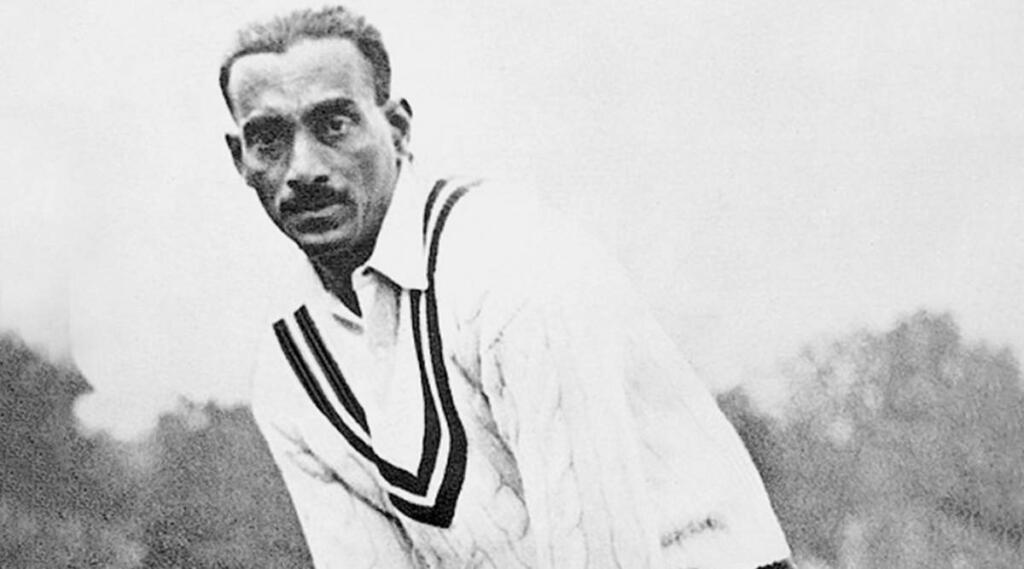
  • Who is the Father of Cricket in India?

    Who is the Father of Cricket in India?

    The title “Father of Cricket in India” is proudly given to Colonel Cottari Kanakaiya Nayudu (C. K. Nayudu). He is regarded as the pioneer of Indian cricket and one of the most influential figures in the early development of the sport in India. His leadership, talent, and contribution laid the foundation for modern Indian cricket.

    Personal & Career Details of C. K. Nayudu

    CategoryDetails
    Full NameCottari Kanakaiya Nayudu
    Popular NameC. K. Nayudu
    Born31 October 1895
    BirthplaceNagpur, Central Provinces, British India
    Died14 November 1967
    RoleBatsman
    Batting StyleRight-handed
    Bowling StyleRight-arm medium
    Teams Played ForIndia, Hindus, Central India
    Test DebutIndia vs England, 1932
    CaptaincyFirst Test Captain of India
    Major TitleFather of Cricket in India
    Military RankColonel (Indian Army)

    Introduction to C. K. Nayudu

    Cricket in India did not always enjoy the popularity and success it has today. In the early 20th century, cricket was largely dominated by British players, and Indian participation was limited. During this time, C. K. Nayudu emerged as a symbol of Indian cricketing strength and pride.

    He was not just a great batsman, but also a fearless leader who proved that Indian players could compete at the highest international level. His aggressive batting style and commanding presence inspired generations of Indian cricketers.

    Why is C. K. Nayudu Called the Father of Cricket in India?

    C. K. Nayudu earned this title due to several historic contributions:

    1. First Captain of Indian Test Team
    2. Key figure in India’s first Test match (1932)
    3. Promoted cricket among Indians during British rule
    4. Inspired confidence and national pride through cricket
    5. Played a crucial role in popularizing cricket across India

    He was among the first Indian cricketers to gain respect from British players and selectors.

    Early Life and Background

    C. K. Nayudu was born into a sports-loving family. His father was also a cricketer, which played a significant role in shaping his early interest in the game. Nayudu showed exceptional talent at a young age and quickly became known for his powerful hitting.

    Unlike many players of his era, he played cricket with aggression and confidence—qualities that were rare among Indian players under British rule.

    Rise in Domestic Cricket

    Before India had a national team, domestic cricket was the backbone of the sport. C. K. Nayudu dominated tournaments such as:

    • Bombay Quadrangular
    • Ranji Trophy (later named after Ranjitsinhji)
    • Inter-Provincial matches

    His performances attracted large crowds, making cricket popular among Indian audiences. He was one of the first Indian cricketers to be treated like a sports celebrity.

    India’s First Test Match (1932)

    One of the most historic moments in Indian cricket history was India’s first Test match against England at Lord’s in 1932.

    Key Highlights:

    • C. K. Nayudu was appointed India’s first Test captain
    • He scored 40 runs in the first innings
    • Faced injuries but still came out to bat bravely
    • Earned admiration from English players and spectators

    Although India lost the match, Nayudu’s leadership and courage won hearts worldwide.

    Leadership and Captaincy

    As captain, Nayudu was known for:

    • Discipline and unity
    • Encouraging young players
    • Strong field placements
    • Leading by example

    He believed that Indian cricketers should play fearlessly, not submissively. This mindset later became the hallmark of Indian cricket.

    Batting Style and Playing Technique

    C. K. Nayudu was famous for:

    • Powerful stroke play
    • Strong physique
    • Aggressive approach
    • Confidence against fast bowlers

    He often hit sixes when six-hitting was uncommon, making him a crowd favorite.

    Contribution Beyond Playing Career

    After retiring from active cricket, Nayudu continued contributing to Indian sports:

    • Served as a cricket administrator
    • Mentored young players
    • Played a role in cricket organization and development
    • Joined the Indian Army and achieved the rank of Colonel

    His influence extended beyond the boundary lines.

    Awards and Honors

    To honor his legacy, the BCCI introduced the “C. K. Nayudu Trophy”, awarded to:

    • India’s best domestic cricketers
    • Outstanding performers in first-class cricket

    This trophy ensures that his name remains permanently linked to Indian cricket excellence.

    Legacy of C. K. Nayudu

    C. K. Nayudu’s legacy is immense:

    • He paved the way for Indian cricket on the global stage
    • Inspired legends like Vijay Hazare, Lala Amarnath, and later generations
    • Represented courage, self-belief, and nationalism through sports

    Without pioneers like Nayudu, Indian cricket might not have evolved into the powerhouse it is today.

    Comparison with Other Cricket Legends

    PlayerContribution
    C. K. NayuduFoundation & leadership
    Lala AmarnathFirst Indian to score Test century
    Vijay HazareConsistency and class
    Sunil GavaskarGlobal dominance
    Sachin TendulkarModern cricket icon

    While many legends followed, Nayudu laid the foundation.

    Interesting Facts About C. K. Nayudu

    • One of the tallest and strongest cricketers of his time
    • Played cricket well into his 50s
    • British bowlers feared his hitting ability
    • A true symbol of Indian sporting pride

    Conclusion

    C. K. Nayudu is rightly called the Father of Cricket in India. His courage, leadership, and contribution during the formative years of Indian cricket shaped the future of the sport in the country. He was more than a cricketer—he was a trailblazer who proved that Indians could stand tall on the world stage.

    Indian cricket’s glorious journey—from its humble beginnings to global dominance—started with C. K. Nayudu.

  • Who Are the 3 Richest Cricketers in the World?

    Who Are the 3 Richest Cricketers in the World?

    Cricket isn’t just a sport loved by millions around the globe — it’s also a career that can make its most successful stars incredibly wealthy. The combination of international match fees, lucrative Indian Premier League (IPL) contracts, brand endorsements, business ventures, and post-retirement roles in media or coaching has helped top cricket legends accumulate significant fortunes over time. Based on data from recent net worth rankings, here’s a deep dive into the three richest cricketers in the world, exploring how they built their wealth and what sets them apart.

    1. Sachin Tendulkar

    Sachin Tendulkar richest cricketer in the world with highest net worth
    Sachin Tendulkar is the richest cricketer in the world with massive earnings from cricket and endorsements.

    Often called the “God of Cricket”, Sachin Tendulkar is not only a legend of the game but also the richest cricketer in the world. His estimated net worth is around $170 million — a figure that places him at the very top of global cricket earnings.

    How Sachin Built His Wealth

    Sachin’s wealth didn’t come solely from playing cricket — although he certainly earned well during his long and illustrious career for India. Several key factors contributed to his financial success:

    1. Decades of International Cricket Success
    Tendulkar made his debut for India as a teenager and played for over two decades. His consistent performances made him one of the most marketable athletes of his generation.

    2. Endorsements and Brand Ambassadorships
    Even during and after retirement, Sachin remained in high demand for brand endorsements. He has represented global brands in sectors like sports gear, beverages, automobiles, and more.

    3. Media, Business Ventures, and IPL Income
    Although Tendulkar retired before the IPL began, he stayed connected with the sport through ambassadorial and promotional roles, adding to his earning potential.

    Legacy Beyond Wealth

    Tendulkar’s influence goes far beyond numbers and endorsements. He’s a cultural icon with millions of fans worldwide, and many young cricketers cite him as their inspiration. His stature in the sport is matched only by a small handful of global athletes across all sports.

    2. MS Dhoni

    MS Dhoni second richest cricketer in the world and former India captain
    MS Dhoni ranks among the top richest cricketers due to IPL, endorsements, and business ventures.

    Coming in second among the world’s richest cricketers is Mahendra Singh Dhoni — the charismatic former captain of India’s cricket team. Dhoni’s net worth is estimated at around $127 million, underlining his stature as both a cricketing great and a successful businessman off the field.

    Dhoni’s Cricketing and Financial Journey

    Dhoni’s path to wealth has been built on much more than match fees:

    1. Legendary Leadership and Match Wins
    Dhoni led India to victories in major tournaments like the ICC T20 World Cup, ICC Cricket World Cup, and ICC Champions Trophy. His leadership elevated his profile globally.

    2. IPL and Franchise Success
    Dhoni’s long association with the Chennai Super Kings (CSK) in the IPL gave him a lucrative and consistent income stream. His success as a player and leader in the league attracted further commercial opportunities.

    3. Brand Endorsements and Business Interests
    Like many top athletes, Dhoni partnered with brands across sectors like sportswear, automobiles, watches, and more. He also ventured into business areas such as fitness and wellness, increasing his financial portfolio.

    Beyond the Boundary

    Dhoni’s grit under pressure earned him the “Captain Cool” nickname, and his appeal transcends cricketing borders. From leadership clinics to motivational talks and entrepreneurial ventures, Dhoni’s influence adds layers to his financial success.

    3. Virat Kohli

    Virat Kohli third richest cricketer in the world with high endorsement income
    Virat Kohli is one of the highest paid active cricketers in the world.

    Holding the third spot among the richest cricketers globally is Virat Kohli, one of modern cricket’s most dynamic and marketable stars. With an estimated net worth of around $125 million (and rising due to ongoing contracts), Kohli represents a new generation of cricket wealth.

    How Kohli Became So Wealthy

    Unlike the legends who preceded him, much of Kohli’s wealth has been accumulated while still actively playing, which is rare among top-earning athletes:

    1. Central Contracts and Match Fees
    As one of India’s premier batsmen, Kohli has earned substantial match fees through BCCI central contracts across formats.

    2. Endorsements Galore
    Kohli is one of the most sought-after brand ambassadors in India and globally, representing names in fashion, fitness, technology, and consumer goods.

    3. Business Ventures and Personal Branding
    Beyond cricket, Kohli operates lifestyle and fitness businesses and engages in content ventures that boost his earnings. His own clothing and fitness brands tap into his global fanbase.

    Leadership on and off the Field

    Kohli’s aggressive style of play and captaincy (formerly of India’s national team) made him a celebrity worldwide. While he may be third in net worth right now, his earnings potential remains high as he continues to play and expand his off-field ventures.

    What Makes Cricket Players So Wealthy?

    The three richest cricketers in the world — Tendulkar, Dhoni, and Kohli — illustrate the variety of income streams top athletes can enjoy. Here’s what contributes to their wealth:

    1. Match Fees and Contracts

    International match fees and contracts with national boards are significant, especially for stars in countries like India where cricket remains massively popular.

    2. Indian Premier League (IPL) Earnings

    IPL salaries have transformed cricket finances. Even retired players often earn through mentoring roles or franchise stakes.

    3. Brand Endorsements

    Top cricketers command high fees from brands due to their visibility and influence, especially in markets such as India.

    4. Business Ventures and Investments

    Modern cricketers often invest in startups, fashion, fitness, and media — diversifying their income beyond the pitch.

    Final Thoughts

    Cricket isn’t just a beloved sport — for its biggest stars, it’s also a path to substantial wealth. From the legendary accomplishments of Sachin Tendulkar to the strategic business mindset of MS Dhoni and the modern marketability of Virat Kohli, the top three richest cricketers in the world demonstrate how talent, branding, and smart investments can amplify earning potential far beyond the boundary ropes.

    Whether you’re a casual fan or a die-hard cricket enthusiast, understanding the financial landscape of the game adds a fascinating layer to how you watch and appreciate cricket’s biggest icons.

  • Rohit Sharma Biography

    Rohit Sharma Biography

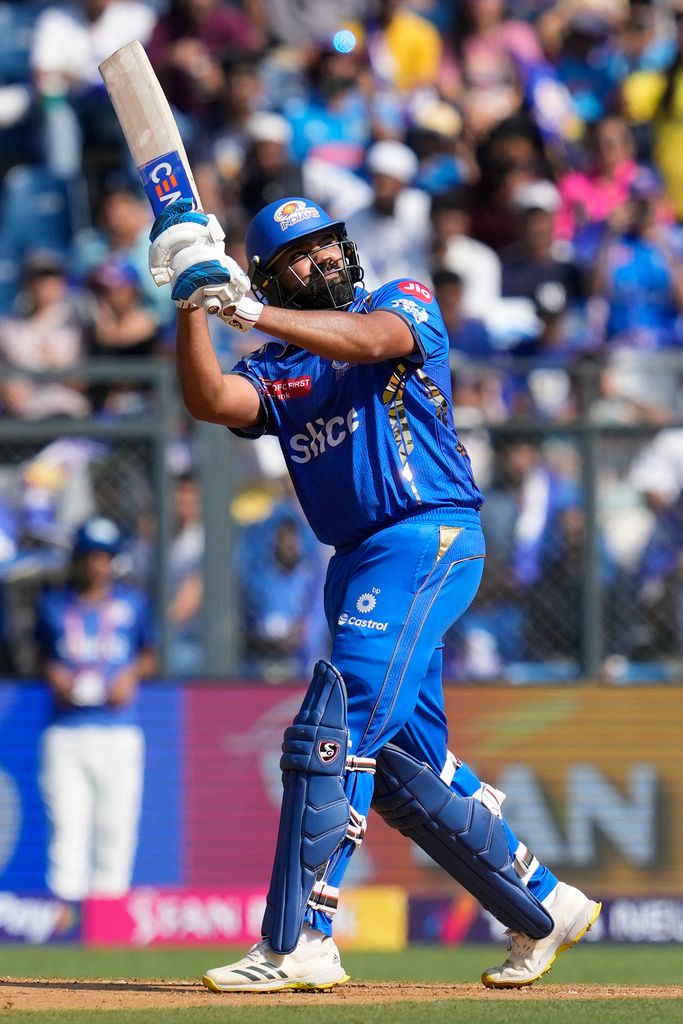
    Rohit Gurunath Sharma (born 30 April 1987), popularly known as Rohit Sharma or by his nickname “Hitman”, is an Indian international cricketer and former captain of the Indian national cricket team. Renowned for his elegant timing, powerful six-hitting and leadership abilities, Sharma has been one of the most prolific batters in limited-overs cricket and a key figure in Indian cricket across formats. He has set numerous records, including being the only player to score three double centuries in One Day Internationals (ODIs) and holding the highest individual ODI score of 264 runs.

    Sharma retired from Twenty20 International (T20I) cricket in June 2024 after leading India to a T20 World Cup title, and he retired from Test cricket in May 2025.

    Early Life and Background

    Rohit Sharma was born on 30 April 1987 in Bansod, Nagpur, Maharashtra, India. He grew up in a middle-class family and showed an early interest in cricket. His talent was spotted by coach Dinesh Lad, who encouraged him to join a cricket academy. Initially a spin bowler, Sharma transitioned his focus to batting as he developed his cricketing skills.

    Domestic Cricket Career

    Rohit made his senior domestic debut in 2006 in a List A match for West Zone. He quickly impressed with his consistent batting, earning selection for India A and subsequently debuting in the prestigious Ranji Trophy for Mumbai in the 2006–07 season. His strong domestic performances, including a double hundred in the Ranji final, cemented his reputation as a rising batting talent in Indian cricket.

    International Career

    ODI Debut and Early Struggles

    Sharma’s international debut came in an ODI against Ireland in June 2007, where he didn’t bat or bowl but took a catch. He was also part of India’s inaugural T20 World Cup squad the same year. After early promise, he faced periods of inconsistency that saw him in and out of the team, particularly around the 2011 ODI World Cup.

    Breakthrough as Opener

    The turning point in Sharma’s career came in 2013 when captain Mahendra Singh Dhoni promoted him to open the ODI batting. Sharma thrived in this role, scoring multiple double centuries — including a record 264 against Sri Lanka, the highest individual score in ODI history — and establishing himself as a world-class opener.

    T20 and Test Cricket

    Sharma made his T20I debut in 2007 and scored his first T20I century in 2015. He debuted in Test cricket in 2013 against the West Indies, making an impressive 177 runs in his first innings. However, his Test form was inconsistent, and he eventually announced his retirement from Test cricket in 2025 after a distinguished career.

    Leadership and Captaincy

    Rohit Sharma was appointed vice-captain and later captain of the Indian team across formats. Under his leadership, India reached the final of the 2023 ODI World Cup, won the 2024 ICC T20 World Cup, and achieved numerous bilateral series victories. He has been noted for his tactical brain and calm leadership style.

    Indian Premier League (IPL)

    In the IPL, Rohit began his career with Deccan Chargers in 2008 before joining Mumbai Indians (MI) in 2011. His captaincy from 2013 turned MI into the most successful IPL franchise, winning five titles (2013, 2015, 2017, 2019 and 2020). Under his captaincy, MI became known for consistency, team balance, and excellence in pressure games.

    Records and Achievements

    • Only player in history with three ODI double centuries.
    • Holds the highest individual ODI score (264).
    • Among the most sixes hit in international cricket and cricket World Cups.
    • One of few cricketers to play in every T20 World Cup from 2007 to 2024.

    Awards and Honours

    Rohit has been recognized with numerous accolades:

    • Arjuna Award (2015) – India’s second-highest sporting honor.
    • Major Dhyan Chand Khel Ratna Award (2020) – India’s highest sporting honor.
    • Multiple ICC Team of the Year selections and the ICC Men’s ODI Cricketer of the Year (2019).

    Personal Life

    Rohit Sharma married his long-time partner Ritika Sajdeh on 13 December 2015. Known for his engaging personality, he is also involved in philanthropic activities and has supported animal welfare causes.

    Legacy

    Sharma’s influence on Indian cricket is substantial: as a batsman, he redefined limited-overs opening batting; as a captain, he led India to major ICC victories; and in the IPL, he transformed Mumbai Indians into a powerhouse. His records and leadership have ensured his place among cricket’s modern legends.

    All-About Rohit Sharma — Quick Reference Table

    AttributeDetails
    Full NameRohit Gurunath Sharma
    Date of Birth30 April 1987
    Place of BirthBansod, Nagpur, Maharashtra, India
    NicknameHitman
    Batting StyleRight-handed
    Bowling StyleRight-arm occasional off-spin
    Domestic TeamMumbai
    IPL TeamsDeccan Chargers (2008–2010), Mumbai Indians (2011–Present)
    India Debut (ODI)June 2007 vs Ireland
    India Debut (T20I)2007 vs England
    India Debut (Test)2013 vs West Indies
    RoleBatsman / Former Captain
    T20I RetirementJune 2024
    Test RetirementMay 2025
    Highest ODI Score264 runs
    ODI Double Centuries3 (Most in history)
    IPL Titles as Captain5 (2013, 2015, 2017, 2019, 2020)
    AwardsArjuna Award (2015), Khel Ratna (2020)
    SpouseRitika Sajdeh
    Notable TraitsElegant timing, six-hitting, leadership
    1. Official Career Statistics Tables (Batting & Bowling – by format)
    2. Chronological Career Timeline (Infographic-style in text)

    1. Rohit Sharma – International Career Statistics

    Batting Statistics (International Cricket)

    FormatMatchesInningsRunsAverageStrike Rate100s50sHighest Score
    Test671164,30840.5757.051218212
    ODI26225410,70949.1290.013155264
    T20I1591514,23131.34140.89532121*
    IPL2572526,62129.72131.14243109*

    Bowling Statistics (International Cricket)

    FormatBallsWicketsBest BowlingEconomy
    Test38321/263.36
    ODI1,29592/275.27
    T20I41984/238.02

    2. Rohit Sharma – IPL Captaincy Record

    CategoryRecord
    IPL TeamsDeccan Chargers, Mumbai Indians
    Matches as Captain158
    Wins87
    Win Percentage~55%
    IPL Titles5 (Most by a captain)
    Years Won2013, 2015, 2017, 2019, 2020

    3. Rohit Sharma – Career Timeline (Milestones)

    Early Years

    • 1987 – Born in Nagpur, Maharashtra
    • 2006 – Domestic debut for West Zone
    • 2007 – ODI debut vs Ireland
    • 2007 – Part of India’s first T20 World Cup win

    Rise & Transformation

    • 2011 – Joins Mumbai Indians
    • 2013 – Promoted as ODI opener (career-changing move)
    • 2013 – Test debut, scores 177 on debut
    • 2014 – Scores 264 vs Sri Lanka (highest ODI score ever)

    Peak Years

    • 2015 – Arjuna Award
    • 2017–2020 – Dominates IPL as MI captain
    • 2019 – Scores 5 centuries in one ODI World Cup
    • 2020 – Awarded Khel Ratna

    Leadership Era

    • 2022 – Becomes full-time India captain
    • 2023 – Leads India to ODI World Cup Final
    • 2024 – Wins ICC T20 World Cup as captain
    • 2024 – Retires from T20 Internationals
    • 2025 – Retires from Test cricket

    4. Unique Records & Facts

    • 🏏 Only cricketer with 3 ODI double centuries
    • 🔥 Most sixes in ODI World Cups
    • 👑 Most IPL titles as captain (5)
    • 📈 Only player to score 100+ sixes in T20Is
    • 🌍 Played every T20 World Cup from 2007–2024

    Conclusion

    Rohit Sharma’s journey from a talented middle-order batsman to one of the greatest openers and captains in cricket history is a story of adaptability, resilience, and excellence. His records across formats, unparalleled IPL success, and leadership in ICC tournaments have secured his legacy as one of India’s most iconic cricketers.

  • Top 10 Cricket Moments in History

    Top 10 Cricket Moments in History

    Cricket is more than just a sport; it is a story of emotions, rivalries, and unforgettable achievements. Here are the top 10 cricket moments that changed the game and captured the hearts of millions.

    1. India Wins the 1983 World Cup

    • India shocked the world by defeating the mighty West Indies at Lord’s.
    • Kapil Dev’s leadership and India’s fighting spirit made this victory historic.
    • It marked the beginning of India’s rise as a cricket powerhouse.

    2. Australia’s Dominance in 1999 World Cup Final

    • Australia crushed Pakistan at Lord’s to win their second World Cup.
    • Shane Warne’s magical bowling was the highlight.
    • This win started Australia’s golden era in world cricket.

    3. Sri Lanka’s First World Cup Victory in 1996

    • Sri Lanka stunned the world by beating Australia in the final.
    • Arjuna Ranatunga’s captaincy and Sanath Jayasuriya’s explosive batting changed ODI cricket forever.
    • It was a proud moment for a small cricketing nation.

    4. India’s 2011 World Cup Triumph

    • India won the World Cup after 28 years, defeating Sri Lanka in Mumbai.
    • MS Dhoni’s iconic six to finish the match is one of the greatest cricket images.
    • Sachin Tendulkar’s dream of winning the World Cup finally came true.

    5. England Wins 2019 World Cup in Super Over Drama

    • England won their first-ever World Cup in a nail-biting final against New Zealand.
    • The match ended in a tie, followed by a Super Over, which also tied.
    • England won on boundary count — the most dramatic finish in cricket history.

    6. Ben Stokes’ Heroics in Ashes 2019

    • At Headingley, Ben Stokes played one of the greatest Test innings ever.
    • His unbeaten 135 helped England chase down 359 against Australia.
    • It was a reminder of Test cricket’s magic.

    7. Kapil Dev’s 175 Against Zimbabwe (1983)*

    • India was struggling at 17/5, but Kapil Dev’s incredible 175 not out saved the team.
    • This innings is considered one of the greatest in ODI history.
    • It gave India belief in their World Cup campaign.

    8. Brian Lara’s 400 in Test Cricket (2004)*

    • West Indies legend Brian Lara scored 400 not out against England.
    • It remains the highest individual score in Test cricket.
    • A record that shows Lara’s genius and patience.

    9. MS Dhoni’s Debut Century Against Pakistan (2005)

    • Dhoni announced himself with a blistering 148 against Pakistan.
    • His fearless batting style made him an instant star.
    • This innings was the start of a legendary career.

    10. Virat Kohli’s Chase Against Australia (2016 T20 World Cup)

    • Kohli scored a brilliant 82* in Mohali to take India into the semi-final.
    • His calm yet aggressive batting under pressure showed why he is called the “chase master.”
    • It remains one of the best T20 innings ever.

    Top 10 Cricket Moments

    MomentHighlight
    India 1983 World Cup WinKapil Dev leads India to first title
    Australia 1999 World CupWarne’s brilliance, start of dominance
    Sri Lanka 1996 World CupFirst title, new batting style
    India 2011 World CupDhoni’s winning six, Sachin’s dream
    England 2019 World CupSuper Over drama, first title
    Stokes Ashes 2019Epic 135* at Headingley
    Kapil Dev 175 (1983)*Saved India vs Zimbabwe
    Brian Lara 400*Highest Test score ever
    Dhoni 148 vs PakistanDebut century, rise of a legend
    Kohli 82 vs Australia*T20 chase masterclass

    Conclusion

    These top 10 cricket moments show why cricket is called a game of glorious uncertainties. From Kapil Dev’s heroics to Dhoni’s calm finishing and Stokes’ fighting spirit, each moment reflects courage, skill, and passion. Fans will always remember these matches not just for the scores, but for the emotions they brought to the game.

    FAQs: Top 10 Cricket Moments

    ❓ What is India’s greatest cricket moment?

    India’s greatest cricket moment is winning the 1983 World Cup, defeating the West Indies at Lord’s.

    ❓ Which World Cup did MS Dhoni win for India?

    MS Dhoni led India to victory in the 2011 World Cup, finishing the final with a famous six.

    ❓ What was England’s most dramatic cricket moment?

    England’s 2019 World Cup win against New Zealand, decided by a Super Over and boundary count, is their most dramatic moment.

    ❓ Who scored the highest individual score in Test cricket?

    Brian Lara holds the record with 400 not out against England in 2004.

    ❓ What is Ben Stokes’ most famous innings?

    Ben Stokes’ unbeaten 135 at Headingley in the 2019 Ashes is considered one of the greatest Test innings ever.

    ❓ Why is Kapil Dev’s 175* against Zimbabwe famous?

    Kapil Dev’s 175* in the 1983 World Cup saved India from collapse and kept their campaign alive.

    ❓ What was Virat Kohli’s best T20 innings?

    Virat Kohli’s 82 against Australia in the 2016 T20 World Cup* is remembered as one of his finest chases.

    ❓ How did Sri Lanka win their first World Cup?

    Sri Lanka won their first World Cup in 1996, defeating Australia with aggressive batting led by Sanath Jayasuriya and Aravinda de Silva.

    ❓ What made Dhoni’s debut century special?

    Dhoni’s 148 against Pakistan in 2005 showed his fearless batting style and marked the start of his legendary career.

    ❓ Which team dominated the 1999 World Cup?

    Australia dominated the 1999 World Cup, defeating Pakistan in the final, beginning their golden era.

  • ICC ODI World Cup History: From 1975 to 2023

    ICC ODI World Cup History: From 1975 to 2023

    The ICC Men’s Cricket World Cup is the premier international tournament in the One Day International (ODI) format. Organized every four years by the International Cricket Council (ICC), it brings together the best cricketing nations to compete for the most prestigious trophy in the sport. Since its inception in 1975, the World Cup has evolved in format, scale, and global reach, becoming a festival of cricket that captivates millions worldwide.

    Early Years (1975–1983): West Indies Dominance

    • 1975 (England): The first World Cup was played with 60 overs per side. The West Indies, led by Clive Lloyd, defeated Australia in the final.
    • 1979 (England): West Indies defended their title, beating England in the final.
    • 1983 (England): India shocked the world by defeating the mighty West Indies at Lord’s, under Kapil Dev’s captaincy. This victory transformed cricket in India forever.

    Expansion and New Champions (1987–1999)

    • 1987 (India & Pakistan): The first World Cup held outside England. Australia, led by Allan Border, won their maiden title.
    • 1992 (Australia & New Zealand): Pakistan, under Imran Khan, lifted their first trophy. This edition introduced colored clothing and day-night matches.
    • 1996 (India, Pakistan & Sri Lanka): Sri Lanka, led by Arjuna Ranatunga, stunned the world with their aggressive batting style, winning their first title.
    • 1999 (England): Australia began their era of dominance, defeating Pakistan in the final.

    Australia’s Golden Era (2003–2007)

    • 2003 (South Africa, Zimbabwe & Kenya): Australia, under Ricky Ponting, won convincingly against India in the final.
    • 2007 (West Indies): Australia completed a hat-trick of titles, beating Sri Lanka in the final.

    India’s Modern Triumphs and New Winners (2011–2019)

    • 2011 (India, Sri Lanka & Bangladesh): India, led by MS Dhoni, won their second title, defeating Sri Lanka in Mumbai.
    • 2015 (Australia & New Zealand): Australia claimed their fifth title, beating New Zealand in Melbourne.
    • 2019 (England): England won their first-ever World Cup in a dramatic final against New Zealand, decided by a Super Over at Lord’s.

    Recent Edition (2023)

    • 2023 (India): Australia defeated India in the final at Ahmedabad, winning their sixth title. This cemented Australia as the most successful team in World Cup history.

    Impact of the World Cup

    • Globalization of cricket: Hosting in different countries expanded cricket’s reach.
    • Rise of new powers: Nations like Sri Lanka and England proved that dominance can shift.
    • Memorable performances: Kapil Dev’s 175* in 1983, Ponting’s 140* in 2003, Dhoni’s winning six in 2011, and Ben Stokes’ heroics in 2019 are etched in history.

    Table of ODI World Cup Winners

    YearWinner
    1975West Indies
    1979West Indies
    1983India
    1987Australia
    1992Pakistan
    1996Sri Lanka
    1999Australia
    2003Australia
    2007Australia
    2011India
    2015Australia
    2019England
    2023Australia

    Conclusion

    The ICC ODI World Cup has been a journey of legends, rivalries, and unforgettable moments. From the West Indies’ early dominance to Australia’s unmatched success and India’s iconic victories, the tournament reflects the evolution of cricket itself. With new nations rising and formats evolving, the World Cup continues to be the ultimate stage where heroes are made and history is written.