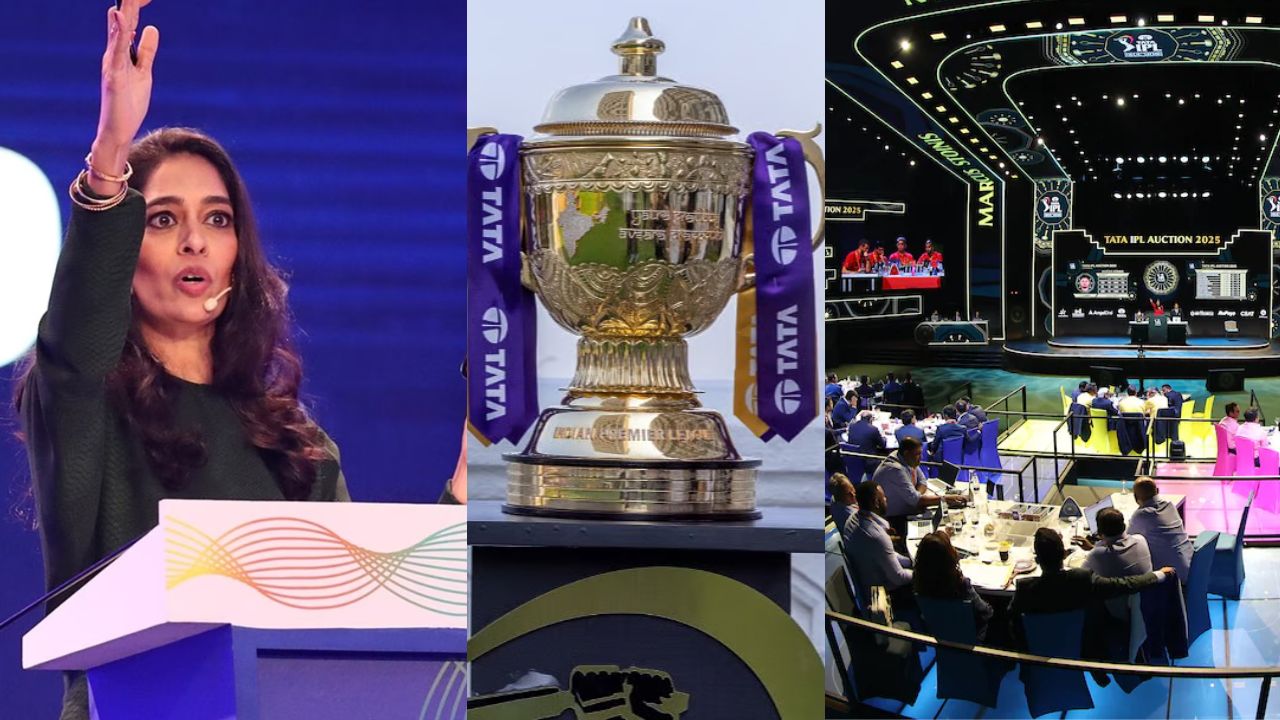
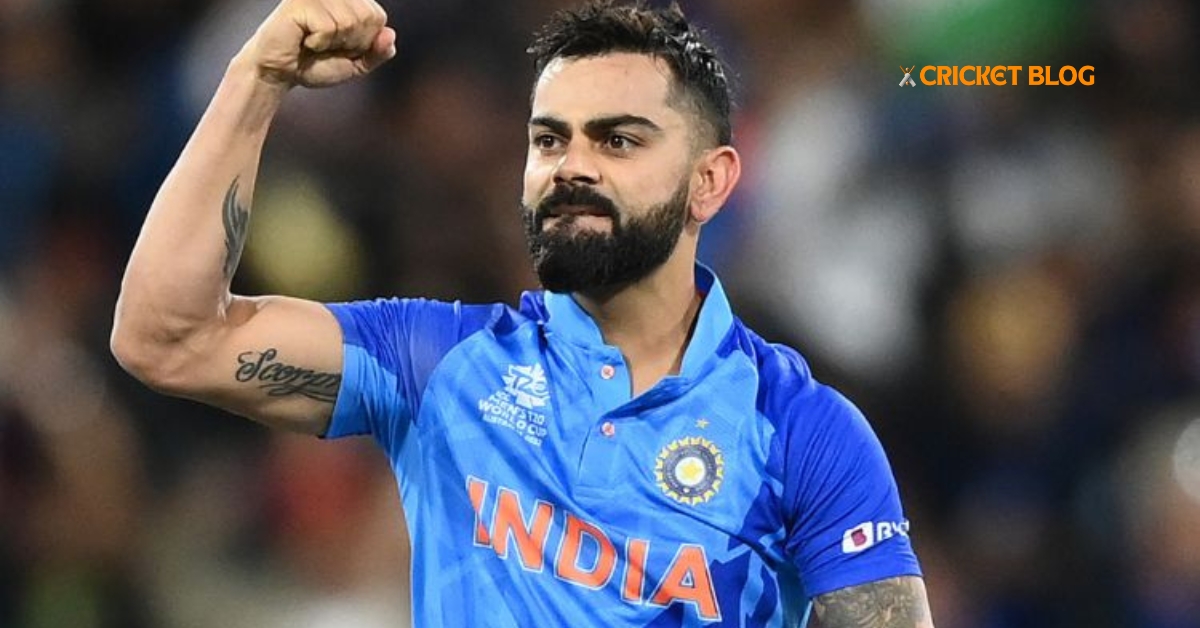
The Indian Premier League (IPL) 2026 Auction was one of the most exciting cricket events of the year. Teams came with big budgets, and players received life-changing bids. Fans watched closely to see who got sold, for how much, and who became the most expensive player.
In this article, you will find:
IPL 2026 auction overview
The most expensive player
A simple list of sold players with prices
Key highlights and team strategy
FAQs in easy language
IPL 2026 Auction Overview (Simple)
Tournament: IPL 2026
Auction Type: Mini Auction
Teams: 10 IPL teams
Players Sold: 70+ (approx.)
Focus: All-rounders, fast bowlers, young Indian players
Every team tried to fix weak areas by buying strong batters, wicket-keepers, and death-over bowlers.
Most Expensive Player in IPL 2026 Auction
Cameron Green became the most expensive player of the IPL 2026 auction.
Player: Cameron Green
Team: Kolkata Knight Riders (KKR)
Price: ₹25.20 crore
Role: All-rounder (batting + fast bowling)
His power-hitting and match-winning ability made teams fight hard for him.
IPL 2026 Auction – Players Sold List (Simple)
Prices are in ₹ Crore (INR)
High-Value Players
Cameron Green – KKR – ₹25.20 cr
Matheesha Pathirana – KKR – ₹18.00 cr
Kartik Sharma – CSK – ₹14.20 cr
Prashant Veer – CSK – ₹14.20 cr
Liam Livingstone – SRH – ₹13.00 cr
Medium-Price Buys
Mustafizur Rahman – KKR – ₹9.20 cr
Josh Inglis – LSG – ₹8.60 cr
Auqib Dar – DC – ₹8.40 cr
Ravi Bishnoi – RR – ₹7.20 cr
Venkatesh Iyer – RCB – ₹7.00 cr
Budget & Smart Picks
Ben Dwarshuis – PBKS – ₹4.40 cr
Pathum Nissanka – DC – ₹4.00 cr
Ben Duckett – DC – ₹2.00 cr
Rachin Ravindra – KKR – ₹2.00 cr
Matt Henry – CSK – ₹2.00 cr
Quinton de Kock – MI – ₹1.00 cr
🔹 Note: This list covers important and popular players. Full auction lists are released team-wise by IPL authorities.
🔍 IPL 2026 Auction Highlights
All-rounders got the highest demand
Young Indian players earned big money
Fast bowlers were a top priority
Teams focused on future captain options
KKR and CSK spent aggressively
📊 Why IPL 2026 Auction Was Special
The IPL 2026 auction showed that teams are planning not just for one season, but for the next 3–5 years. Players who can bat, bowl, and field well were valued the most.
❓ FAQs – IPL 2026 Auction
Q1. Who was the most expensive player in IPL 2026? Cameron Green at ₹25.20 crore.
Q2. Which team spent the most money? Kolkata Knight Riders and Chennai Super Kings were among the top spenders.
Q3. How many players were sold in IPL 2026 auction? Around 70+ players were sold.
Q4. Were uncapped Indian players expensive? Yes, some young Indian players got very high bids.
The ICC World Cup has always been the biggest stage for cricket, and for India, it carries an emotional weight unlike any other tournament. Fans don’t just watch the World Cup—they live it. Every four years, a new group of Indian cricketers steps up to shoulder massive expectations, and with the next ICC World Cup approaching, speculation has already begun about who will make the final squad.
India’s selection committee faces a complex challenge: combining youth, experience, form, fitness, and the ability to handle pressure in the biggest matches. In this detailed blog, we predict the strongest possible 15-member Indian squad for the next ICC Cricket World Cup, complete with explanations and in-depth player analysis.
1. Opening Batsmen
India’s opening position has always been a pillar of strength. With several world-class batters available, this category remains competitive.
1. Rohit Sharma – The Veteran Leader
Even if this becomes his final World Cup, Rohit Sharma’s presence is non-negotiable. With his calm captaincy, tactical brilliance, and explosive batting, Rohit has been India’s backbone in ICC tournaments.
Why Rohit Sharma is a Sure Shot Pick
Huge experience in World Cups
Ability to score big hundreds
Trusted captaincy
Excellent play against both pace & spin
Rohit’s leadership will be vital for stabilizing India’s top order in crucial games.
2. Shubman Gill – India’s Next Big Superstar
Shubman Gill has risen rapidly to become one of the most trusted opening batsmen for India. His technique, temperament, and hunger for big scores make him the ideal long-term opener.
Why Gill Deserves a Spot
Technically solid
High conversion rate
Big match temperament
Perfect partner for Rohit
Gill represents the perfect balance of youth and consistency.
2. Top-Order & Middle-Order Batsmen
India has traditionally produced world-class batsmen, and this generation is no different.
3. Virat Kohli – The Run Machine
Virat Kohli has dominated ICC tournaments for more than a decade. Even if he is in the latter part of his career, his fitness and hunger still remain unmatched.
Why Kohli Must Be in the Squad
Big tournament master
Unmatched chasing ability
Experience of 450+ international matches
Mentally strongest cricketer India has ever produced
Kohli’s presence alone lifts team morale and intimidates oppositions.
4. Shreyas Iyer – The Reliable No. 4
India struggled with the No. 4 position for years, but Shreyas Iyer has solved that problem. He plays spin exceptionally well and anchors innings brilliantly.
Why Iyer Fits Perfectly
Strong middle-order stabilizer
High strike rate against spin
Ability to build partnerships
Can rotate strike and accelerate
Iyer’s calm temperament makes him a natural fit for World Cup conditions.
5. Suryakumar Yadav – The T20 Magician Learning ODI Stability
While Suryakumar Yadav is best known for T20s, his ability to innovate and score quickly makes him a dangerous option in ODIs when used correctly.
Why SKY Should Go
Excellent 360° shot range
Can attack from ball one
Perfect for finishing overs
Adds unpredictability to India’s middle order
SKY provides the X-factor India needs in knockout games.
3. Wicket-Keepers
This is one of the most tricky sections for selectors.
6. KL Rahul – The Reliable Choice
KL Rahul offers stability, experience, and the ability to bat in multiple positions. His wicket-keeping is neat and improving.
Key Strengths
Flexible batting order
Calm under pressure
Experienced in ICC tournaments
Good finisher
Rahul is currently India’s safest wicket-keeping option.
7. Rishabh Pant – The Game Changer
If fit and in rhythm, Rishabh Pant is a match-winner. His counter-attacking batting can break games open.
Pant’s Advantages
Left-handed batter (rare in India’s top order)
Fearless shot selection
Brilliant against spin and pace
Great in pressure chases
India needs match-winners, and Pant is one of the best.
4. All-Rounders
All-rounders provide balance, which is crucial in ICC tournaments.
8. Hardik Pandya – India’s Top All-Round Asset
Hardik Pandya’s role is indispensable. He provides fast bowling, explosive lower-order batting, and sharp fielding.
Why Pandya is Essential
Only fast-bowling all-rounder
Can bat anywhere from No. 5 to No. 7
Great finisher
Gives the team balance
If Hardik remains fit, he is a guaranteed pick.
9. Ravindra Jadeja – The Triple Threat
Jadeja is one of the world’s best all-rounders. His batting, bowling, and fielding make him a three-dimensional cricketer.
Jadeja’s Importance
Accurate left-arm spin
Fast scoring ability
Saves 10–15 runs with his fielding
Performs under pressure
He brings perfect balance to the XI.
5. Spin Bowlers
India has a long tradition of producing elite spinners, and the next World Cup will be no different.
10. Kuldeep Yadav – The Wrist-Spin Specialist
Kuldeep has become India’s most dependable wicket-taker in white-ball cricket. His variation and control make him a must-have.
Why Kuldeep Makes the Squad
Takes wickets in middle overs
Hard to read for new batters
Proven match-winner
Wrist spinners are gold in World Cups, and Kuldeep fits perfectly.
11. Ravi Bishnoi – The Young Contender
A rising star, Bishnoi’s googly and fast trajectory make him difficult to hit. He may be India’s next big spin weapon.
Why Bishnoi Is a Likely Pick
Excellent T20 form
Brings youthful energy
Can trouble right-handers easily
Bishnoi offers the ideal backup option with different skill sets.
6. Fast Bowlers
India’s biggest strength in recent years has been its pace attack. The predicted squad will heavily depend on fitness and current form.
12. Jasprit Bumrah – India’s Pace Ace
Arguably the best all-format bowler in the world, Jasprit Bumrah remains India’s No. 1 match-winner in pressure situations.
Why Bumrah Leads the Attack
Deadly yorkers and slower balls
Excellent death bowling
World-class accuracy
Mentally tough
Bumrah is the one bowler India cannot afford to miss.
13. Mohammed Shami – The Swing Master
Shami is known for his seam movement and wicket-taking ability. In ICC tournaments, he consistently delivers.
Why Shami Is Essential
Strike bowler
Reverse swing specialist
Experience in big matches
Excellent with the new ball
His wicket-taking ability makes him one of India’s most valuable bowlers.
14. Mohammed Siraj – The Aggression Factor
Siraj has improved remarkably and is now one of India’s most reliable white-ball bowlers.
Siraj’s Strengths
Natural swing
High intensity
Performs exceptionally in powerplays
Great team player
Siraj completes a formidable pace trio.
15. Arshdeep Singh – The Left-Arm Variation
Arshdeep provides the much-needed left-arm angle India has been missing for years.
Why Arshdeep Could Be Picked
Great death overs bowler
Left-arm swing early on
Adds variety to pace attack
Having him as a backup ensures strategic flexibility.
Final Predicted 15-Member Squad for India
Role
Player
Openers
Rohit Sharma, Shubman Gill
Top / Middle Order
Virat Kohli, Shreyas Iyer, Suryakumar Yadav
Wicket-keepers
KL Rahul, Rishabh Pant
All-rounders
Hardik Pandya, Ravindra Jadeja
Spinners
Kuldeep Yadav, Ravi Bishnoi
Fast Bowlers
Jasprit Bumrah, Mohammed Shami, Mohammed Siraj, Arshdeep Singh
Strength of This Predicted Squad
World-class top order
Balanced middle order
Two high-quality keepers
Two elite all-rounders
Dangerous spin options
Best pace attack in the world
Possible Wildcard Picks
If form or fitness changes, these players may be considered:
Yashasvi Jaiswal – explosive opener
Axar Patel – spinning all-rounder
Ishan Kishan – aggressive keeper-batsman
Washington Sundar – economical spinner
Prasidh Krishna – tall, bounce-generating pacer
Conclusion
Predicting India’s World Cup squad is always exciting because the country produces world-class talent in every generation. The proposed 15-player squad here offers the perfect mix of experience, talent, balance, youth, and aggression—all the ingredients needed to win a major ICC tournament.
With senior legends like Rohit, Kohli, and Jadeja guiding young stars like Gill, Bishnoi, and Siraj, this Indian team has everything required to make a deep run in the next ICC World Cup. The only remaining question is—can this be the squad that finally brings another ICC trophy home?
Cricket has seen many great players, but only a select few have changed the way the game is played. These batsmen mastered technique, conquered pressure situations, and delivered match-winning performances across eras.
Here is the ultimate list of the Top 10 Batsmen in Cricket History, complete with career tables for each player.
1. Sir Don Bradman – The Greatest of All Time
Sir Donald Bradman is universally accepted as the greatest batsman ever. His Test average of 99.94 is one of the most incredible achievements in sports history. Bradman dominated fast bowlers, spinners, and every condition with unmatched consistency.
Why Bradman Is No. 1
Insane average of 99.94
Ability to read bowlers early
Incredible shot placement and footwork
Dominated the pre-helmet era
Don Bradman Career Table
Attribute
Details
Country
Australia
Format
Test
Matches
52
Runs
6,996
Average
99.94
100s / 50s
29 / 13
Highest Score
334
2. Sachin Tendulkar – The God of Cricket
Sachin Tendulkar played for 24 years, becoming the most complete batsman in history. He carried the expectations of over a billion fans and still delivered consistently.
Why Sachin Is a Legend
100 international centuries
Most runs in Tests & ODIs
Played against the greatest bowlers in every era
Icon of discipline and technique
Sachin Tendulkar Career Table
Attribute
Tests
ODIs
Matches
200
463
Runs
15,921
18,426
Average
53.78
44.83
100s
51
49
Highest Score
248*
200*
3. Virat Kohli – The Modern Era Run Machine
Virat Kohli has mastered all three formats with exceptional averages. His fitness, hunger, and chasing ability make him the most complete modern batsman.
Why Kohli Stands Out
75+ international centuries
Average above 50 across formats
GOAT of ODI chases
Dominant in all countries
Virat Kohli Career Table
Attribute
Tests
ODIs
T20Is
Matches
113+
292+
115
Runs
8,700+
13,000+
4,000+
Average
49+
58+
52+
100s
29
50
1
Highest Score
254*
183
122*
4. Brian Lara – The Master of Flair
Brian Lara was a genius capable of playing marathon innings against the best attacks. His shots were elegant, powerful, and unique.
Why Lara Is Special
Holder of the highest Test score: 400*
Known for fearless stroke play
Brilliant against both spin and pace
Brian Lara Career Table
Attribute
Tests
ODIs
Matches
131
299
Runs
11,953
10,405
Average
52.88
40.48
100s
34
19
Highest Score
400*
169
5. Ricky Ponting – Australia’s Dominant Run Machine
Ricky Ponting was the backbone of Australia during their golden era. His pull shot and cover drive were iconic.
Why Ponting Is a Legend
Aggressive stroke play
3-time World Cup champion
Consistent across all conditions
Ricky Ponting Career Table
Attribute
Tests
ODIs
Matches
168
375
Runs
13,378
13,704
Average
51.85
42.03
100s
41
30
Highest Score
257
164
6. Jacques Kallis – The Most Complete All-Rounder
Jacques Kallis combined technical perfection with unstoppable consistency. As a batsman, he rivaled even Sachin and Ponting.
Why Kallis Is Elite
One of the highest run scorers in Test history
Incredible consistency
Ability to play long, match-defining innings
Jacques Kallis Career Table
Attribute
Tests
ODIs
Matches
166
328
Runs
13,289
11,579
Average
55.37
44.36
100s
45
17
Highest Score
224
139
7. Kumar Sangakkara – The King of Elegance
Kumar Sangakkara is one of the most technically gifted batsmen ever. His timing and class made him a nightmare for bowlers.
Why Sangakkara Is Great
Consistency across all formats
One of Sri Lanka’s greatest match-winners
Elegant and reliable under pressure
Kumar Sangakkara Career Table
Attribute
Tests
ODIs
Matches
134
404
Runs
12,400
14,234
Average
57.40
41.98
100s
38
25
Highest Score
319
169
8. Vivian Richards – The Master of Fearless Batting
Sir Vivian Richards revolutionized batting with his fearless, aggressive style. He dominated the fastest bowlers without wearing a helmet.
Why Viv Richards Is a Legend
Unmatched dominance in the 1970s & 80s
ODI strike rate over 90 in an era of slow scoring
Supreme confidence and power
Viv Richards Career Table
Attribute
Tests
ODIs
Matches
121
187
Runs
8,540
6,721
Average
50.23
47.00
100s
24
11
Highest Score
291
189*
9. Joe Root – The Modern Test Maestro
Joe Root is the most consistent Test batsman of the last decade. His ability to play spin and pace makes him one of England’s greatest.
Why Root Is Top-Tier
Incredible Test consistency
Strong in all conditions
Superb footwork and timing
Joe Root Career Table
Attribute
Tests
ODIs
Matches
135+
160+
Runs
11,500+
6,200+
Average
50+
48+
100s
30+
16
Highest Score
254
133*
10. AB de Villiers – Mr. 360°
AB de Villiers is the most innovative and explosive batsman in cricket history. His ability to play shots all around the wicket earned him the title “Mr. 360°”.
Why ABD Is Iconic
Fastest ODI 50, 100, and 150
Incredible versatility across formats
Match-winner in pressure situations
Revolutionized T20 batting
AB de Villiers Career Table
Attribute
Tests
ODIs
T20Is
Matches
114
228
78
Runs
8,765
9,577
1,672
Average
50.66
53.50
26.12
100s
22
25
0
Highest Score
278*
176
79*
Final Thoughts
Each player on this list changed cricket in a different way:
Bradman set standards nobody could touch.
Sachin and Lara brought art and elegance.
Kohli, Ponting, and Sangakkara combined consistency with modern aggression.
Viv Richards and ABD revolutionized stroke play.
Kallis proved all-round perfection.
Joe Root continues to redefine Test batting.
Together, these legends represent the true essence of batting excellence.
The IPL 2026 season is already creating huge buzz even before the first ball is bowled. The major reason behind this excitement is the IPL 2026 Mega Auction, which will completely change the team combinations again. Before the mega auction, every franchise was allowed to retain only a limited number of players. This meant that many big names, star performers, and even senior leaders had to be released.
In this blog, we will take a detailed look at the top players released ahead of the IPL 2026 Mega Auction, the reasons behind their release, and what this means for the auction as well as the upcoming season.
The list is based on media reports, franchise strategies, and performance trends from previous seasons.
Why Big Players Were Released Before IPL 2026?
Releasing top players is never an easy decision for franchises. However, in a mega auction year, teams often take bold steps. Here are the major reasons why even star players were released:
1. High Salary Burden
Some players were earning extremely high salaries, and teams wanted more flexibility in their purse before entering a mega auction.
2. Age and Fitness Concerns
Several seniors struggled with fitness, which forced franchises to move toward younger talents.
3. Team Rebuilding Plans
Mega auctions give teams a chance to reshape their entire squad. Many franchises are looking to build fresh cores for the next 3–4 years.
4. Performance Decline
Players with inconsistent or poor performances in the last two seasons were the top candidates to be released.
5. Overseas Combination Issues
IPL teams can only play four overseas players in the XI. This means many good foreign players get benched, so teams prefer to release them if they are not fitting into the core.
Top Players Released Ahead of IPL 2026 Mega Auction
Below is the most talked-about list of released players and the possible reasons behind each decision.
Hardik Pandya (Mumbai Indians)
Yes, this became the biggest news of the retention window. After a challenging season and multiple injuries, MI reportedly released Hardik Pandya back into the auction pool. He is still a match-winner, but his fitness concerns and high salary made it difficult for Mumbai to retain him.
Why Released?
Uncertain bowling fitness
Massive salary cap
Team rebuilding around younger core
Auction Expectation: Hardik will definitely attract huge bids. At least 4–5 teams may chase him aggressively.
KL Rahul (Lucknow Super Giants)
KL Rahul’s release surprised many fans. Rahul has been one of the most consistent batters in IPL history, but his strike-rate issues and injury problems made LSG rethink their strategy.
Why Released?
Slow strike rate criticism
Injury layoffs
Team wanting new leadership
Auction Expectation: Rahul is still a top opener. He will surely be one of the most expensive buys of IPL 2026.
Glenn Maxwell (Royal Challengers Bangalore)
Maxwell has always been a hit-or-miss player. His last two seasons were full of ups and downs. RCB, looking for a stronger middle order and balanced overseas core, decided to release him before the mega auction.
Why Released?
Inconsistent performances
Expensive contract
RCB needing a fresh middle-order approach
Auction Expectation: Teams like Punjab, Delhi, and Kolkata may target him for his explosive batting.
David Warner (Delhi Capitals)
The former SRH and DC captain has been released ahead of the 2026 auction. Warner has enjoyed a legendary IPL career but age and declining form in T20s became a major concern.
Why Released?
Age factor (39 in 2026)
Decreasing strike-rate
Young DC top-order emerging
Auction Expectation: Warner might still find buyers for his experience, but salary will be lower.
Andre Russell (Kolkata Knight Riders)
Russell has been a superstar for KKR for a decade, but injuries and inconsistent availability forced the team to finally move on.
Why Released?
Constant fitness issues
Heavy contract
Team looking at long-term younger all-rounders
Auction Expectation: A mid-range bid is expected, but not as high as before.
Bhuvneshwar Kumar (Sunrisers Hyderabad)
One of the best swing bowlers in IPL history, Bhuvneshwar Kumar’s form has dipped and his pace has reduced. With SRH transitioning into a younger bowling unit, releasing him was expected.
Why Released?
Pace drop
Less wicket-taking impact
SRH grooming Umran, Natarajan, and others
Auction Expectation: Teams may see him as a powerplay specialist.
Faf du Plessis (Royal Challengers Bangalore)
Faf gave everything as a leader and batter, but age and the need for a long-term captain forced RCB to look in a different direction.
Why Released?
Age factor
Team restructuring
Need for new Indian captaincy options
Auction Expectation: Possible mentor-role player for any franchise.
Trent Boult (Rajasthan Royals)
Boult has been one of the most effective powerplay bowlers, but RR decided to go younger with their pace attack.
Why Released?
High salary
Overseas slot pressure
Performance dipped in death overs
Auction Expectation: Boult will still attract strong bids from teams needing new-ball swing.
Liam Livingstone (Punjab Kings)
Livingstone was explosive but inconsistent. PBKS wanted a more stable middle order and therefore released him.
Why Released?
Inconsistency
Overseas slot problem
Team restructuring
Auction Expectation: He could be a surprise high bid because of his six-hitting ability.
Shardul Thakur (Kolkata Knight Riders)
Shardul, known for his knack of taking wickets at key moments, did not perform as expected in the last few seasons.
Why Released?
Expensive for his role
Inconsistent economy rate
Team wanting specialist bowlers
Auction Expectation: He may get picked as a backup Indian pacer.
Impact of These Releases on IPL 2026 Mega Auction
The release of these big names has completely changed the upcoming mega auction dynamics. Here’s what we can expect:
Huge Bidding Wars
Players like Hardik Pandya, KL Rahul, and Maxwell will trigger massive bidding wars. Teams like CSK, PBKS, and SRH may go aggressive.
Teams Will Build from Scratch
Franchises such as RCB, MI, and PBKS will undergo massive rebuilding. Expect many new combinations.
High Demand for Indian Batters
Indian top-order players and all-rounders will attract the highest amounts due to limited availability.
Overseas Stars With Lower Salaries
Seniors like Warner, Faf, and Boult will still get picked but at more realistic prices.
Which Teams Will Benefit the Most?
Chennai Super Kings (CSK)
CSK may go for experienced all-rounders like Hardik if they want a long-term captaincy option.
Sunrisers Hyderabad (SRH)
SRH already has a young core and a big purse. They may target someone like KL Rahul or Maxwell.
Punjab Kings (PBKS)
PBKS are known for making bold decisions. They may rebuild around a new overseas middle-order star.
Mumbai Indians (MI)
MI releasing Hardik means they now have a big purse and will look to get a new finisher or overseas hitter.
Fans Reaction to Big Releases
As expected, fans were shocked and emotional. Social media was filled with reactions like:
“How can they release Hardik?”
“KL Rahul deserved one more season!”
“RCB should have kept Faf for experience.”
“Warner’s IPL journey might end, sad for cricket fans.”
These reactions show how deeply IPL has connected with fans over the years.
Conclusion
The release of these top players ahead of the IPL 2026 Mega Auction has set the stage for one of the most exciting auctions in IPL history. Teams are preparing to build new combinations, franchises are getting ready for bold choices, and fans are eager to see where their favorite stars will land.
The mega auction is not just a buying-selling event — it is a complete reset of the league. With so many big names entering the auction pool, IPL 2026 promises to be a thrilling chapter for players, teams, and fans worldwide.
Sachin Ramesh Tendulkar is not merely a cricketer; he is a phenomenon that shaped world cricket for more than two decades. For millions of fans across the globe, Sachin represents dedication, humility, and the purest form of batting excellence ever witnessed. From the narrow lanes of Mumbai to the biggest stadiums in the world, his journey is a masterclass in passion meeting discipline.
This detailed biography explores Sachin Tendulkar’s early life, cricket development, rise to stardom, international records, iconic moments, World Cup experiences, IPL career, personal life, awards, and his lasting legacy.
Early Life – The Making of a Prodigigy
Sachin Tendulkar was born on 24 April 1973 in Mumbai to a middle-class Maharashtrian family. His father, Professor Ramesh Tendulkar, was a respected writer and poet, while his mother, Rajni, worked in the insurance sector. Sachin was the youngest of four siblings.
As a child, Sachin was energetic, mischievous, and competitive. Initially, he was more fascinated with tennis, idolizing John McEnroe. But everything changed when his elder brother, Ajit Tendulkar, recognized his natural ability to connect with the cricket ball.
Ajit introduced Sachin to Ramakant Achrekar, one of Mumbai’s most renowned cricket coaches. Achrekar immediately saw something extraordinary in the young boy — his sharp focus, balance, and natural timing. It was on the grounds of Shivaji Park that Sachin’s foundation as a cricketer was built.
Sachin would often play back-to-back practice matches in a single day to improve stamina and technique. Achrekar used to place a one-rupee coin on the stumps and told bowlers, “If you get him out, the coin is yours.” Each coin Sachin earned for staying not out became a personal treasure.
By age 12, Sachin was already known in Mumbai’s cricket circles. By 14, he was scoring centuries in school tournaments with alarming consistency.
School Cricket Dominance
In 1988, Sachin, along with his friend and batting partner Vinod Kambli, stitched a record 664-run partnership in a school cricket match for Sharadashram Vidyamandir. Sachin scored an unbeaten 326 in that innings, an achievement that got national media attention.
This partnership is considered one of the most important turning points in his early career, marking him as a future star of Indian cricket.
Entry into Domestic Cricket
Sachin made his Ranji Trophy debut for Mumbai in 1988 at the age of 15 years and 232 days, becoming the youngest Ranji player ever at that time. And just like a prodigy would, he scored a century on debut, remaining unbeaten on 100.
He repeated this stunning debut feat in Duleep Trophy and Irani Trophy, scoring centuries in his first match in each tournament. These performances sealed his spot in the Indian team.
Sachin’s Domestic Debut Table
Tournament
Debut Year
Score
Ranji Trophy
1988
100*
Duleep Trophy
1989
103*
Irani Trophy
1989
138
Such dominance at such a young age was unheard of in Indian cricket.
International Debut – Baptism by Fire
Sachin made his international debut in November 1989 against Pakistan at the age of 16 years and 205 days, becoming one of the youngest debutants in cricket history.
Facing a bowling lineup that included Wasim Akram, Waqar Younis, and Imran Khan, Sachin showed immense courage despite being hit on the nose by Waqar Younis. Blood was flowing, but Sachin refused to walk off, saying:
“Main khelega.” (I will play.)
That one moment defined his spirit for the rest of his career.
The Build-Up Years – Consistency and Growth (1990–1995)
Sachin’s first international century came in 1990 at Old Trafford, where an unbeaten 119 helped India save the match against England. His technique under pressure impressed the world.
Between 1990 and 1995, Sachin matured rapidly:
Scored centuries in Australia, England, South Africa.
Became India’s most dependable batter.
Took on the role of leading India’s batting at just 19.
By 1992, he was also the youngest foreign player to play county cricket for Yorkshire.
Sachin’s Golden Era – Peak Mastery (1996–2003)
This period is widely considered Sachin’s finest phase.
1996 Cricket World Cup
Sachin was the highest run-scorer of the tournament with 523 runs. His performances single-handedly carried India.
1998 – The Desert Storm Year
The year 1998 is legendary in Sachin’s career. He dominated Australia like no batter before him.
The Desert Storm Innings vs Australia
In Sharjah, Sachin scored:
143 (famous Desert Storm innings)
134 (final)
Both innings came against a world-class Australian attack. Shane Warne once said:
“I have nightmares of Sachin running down the wicket and hitting me for six.”
Dominance in Australia
In 2000 and 2001, Sachin played memorable innings against world-class bowlers like McGrath and Brett Lee.
The Transformation – Shoulder Surgery & Reinvention (2004–2007)
Sachin suffered a major tennis elbow injury in 2004. Many experts thought his career might be over. But Sachin came back stronger, reinventing his batting, focusing more on timing and placement than pure aggression.
His 2007 World Cup performance wasn’t memorable, but he took that failure personally and promised to return stronger.
The Second Golden Run (2008–2011)
After 2008, Sachin entered another purple patch.
Scored match-winning 117* against Australia in CB Series final.
Played a near-perfect 175 against Australia in 2009.
Became the first ever player to score a double century in ODI cricket (200* vs South Africa, 2010).
Reached peak form heading into the 2011 World Cup.
2011 ICC Cricket World Cup – The Ultimate Glory
The 2011 World Cup was the most emotional chapter of Sachin’s career.
India’s team, including Dhoni, Yuvraj, Sehwag, and Kohli, repeatedly said they wanted to win it for Sachin.
Sachin scored two centuries in the tournament and finished as India’s highest run-scorer.
After India won the final, Virat Kohli famously said:
“He has carried the burden of the nation for 21 years. It was time we carried him on our shoulders.”
It is one of the greatest moments in cricket history.
Final Years & Retirement (2012–2013)
Sachin played his 200th and final Test match in Mumbai in November 2013. His farewell speech would remain one of the most emotional moments in sports.
With his retirement, cricket ended an era.
Full International Career Stats
Sachin Tendulkar International Stats Table
Format
Matches
Runs
Average
100s
50s
Best Score
Test
200
15,921
53.78
51
68
248*
ODI
463
18,426
44.83
49
96
200*
T20I
1
10
–
0
0
10
International Total
664
34,357
–
100
164
248*
Sachin is the only cricketer ever to score:
100 international centuries
30,000+ international runs
IPL Career of Sachin Tendulkar
Sachin played for Mumbai Indians (MI) and later became a mentor of the team.
IPL Stats Table
Attribute
Details
Team
Mumbai Indians
Matches
78
Runs
2,334
Centuries
1
Orange Cap
2010 – 618 runs
Role
Opener
His elegant batting proved that technique works even in T20 cricket.
Personal Life of Sachin Tendulkar
Sachin married Dr. Anjali Mehta in 1995. They have two children:
Sara Tendulkar
Arjun Tendulkar (professional cricketer)
Sachin is deeply involved in philanthropy, child welfare programs, and sports development projects.
He also served as a Rajya Sabha Member of Parliament.
Awards and Honours
Awards Table
Award
Year
Arjuna Award
1994
Rajiv Gandhi Khel Ratna
1997
Padma Shri
1999
Padma Vibhushan
2008
ICC Cricketer of the Year
2010
Bharat Ratna
2014
Sachin is the youngest recipient of the Bharat Ratna, India’s highest civilian award.
Sachin’s Legacy – More Than Just Records
Sachin’s legacy is not just about runs or centuries. His real contribution lies in:
1. Inspiring a Generation
Players like Kohli, Rohit, Dhoni, and Sehwag grew up idolizing Sachin.
2. Changing India’s Cricket Culture
He brought professionalism, discipline, and global respect to Indian cricket.
3. Global Ambassador of the Sport
Sachin’s humble nature made him beloved worldwide, even among opponents.
4. A Symbol of Hope
For millions of Indians, Sachin represented dreams, resilience, and pride.
Why Sachin Tendulkar Will Always Remain Special
Whether it was his straight drive, cover drive, late cut, or flick off the pads, Sachin’s batting felt like poetry in motion. His dedication, humility, and love for the game make him far more than just a sportsman.
Sachin once said:
“I never tried to compare myself with anyone else. I just wanted to be the best version of Sachin Tendulkar.”
And that version became a legend.
Conclusion
Sachin Tendulkar’s life is the perfect example of how passion, discipline, and resilience can turn a dream into a global story. He entered cricket as a child prodigy, dominated the game as a master, and left as a legend.
Virat Kohli is a name every cricket fan in the world knows. Many call him “King Kohli” because of the way he dominates bowlers, chases big totals, and performs under pressure. But his journey was never easy. It is a story of passion, discipline, and never-ending hunger to be better than yesterday.
This blog explains Virat Kohli’s life in a simple, human-style narrative—his childhood, career rise, achievements, personal life, and the mindset that made him one of the greatest modern cricketers.
Early Life – A Boy Who Lived for Cricket
Virat Kohli was born on 5 November 1988 in Delhi. He grew up in a middle-class family where values, discipline, and education were important. But Virat had only one love since childhood—cricket.
His father, Prem Kohli, saw the spark in him early and enrolled him in the West Delhi Cricket Academy (WDCA) when Virat was just 9 years old. From that day, cricket became his routine, his oxygen, and his dream.
Even as a kid, Virat had a special seriousness about cricket. While other children played randomly, he trained with purpose.
Early Life Summary
Detail
Information
Full Name
Virat Kohli
Nickname
Chiku
Birth Date
5 November 1988
Birth Place
Delhi, India
Parents
Prem & Saroj Kohli
Siblings
Vikas (brother), Bhavna (sister)
First Academy
West Delhi Cricket Academy
Started Cricket
At age 9
One heartbreaking moment shaped Virat’s life—his father passed away in 2006. The next morning, Virat still went to play a Ranji match for Delhi. That day, the world saw his mental strength for the first time.
The Domestic Journey – The First Steps Toward Greatness
Before becoming a global superstar, Virat climbed through every level of domestic cricket. He played for:
Delhi Under-15
Delhi Under-17
Delhi Under-19
Ranji Trophy (Delhi senior team)
Virat’s fearless attitude and hunger for runs made him stand out. Coaches often said that he was the first to reach training and the last to leave.
His breakthrough came in 2008, when he led the Indian Under-19 team to win the ICC Under-19 Cricket World Cup in Malaysia.
Under-19 World Cup Highlights
Year
Role
Performance
Result
2008
Captain
Consistent batting + tactical captaincy
India won the World Cup
This tournament changed his life forever. IPL teams and selectors now knew that this young Delhi boy was special.
International Debut – A New Star Arrives
Virat made his ODI debut in August 2008 against Sri Lanka. He was only 19, nervous but determined.
International Debut Overview
Format
Debut Opponent
Year
ODI
Sri Lanka
2008
T20I
Zimbabwe
2010
Test
West Indies
2011
Virat was not an instant superstar. He worked hard, improved his technique, fixed his weaknesses, and slowly became India’s most trusted batsman.
Rise to Stardom – The Run Machine Takes Over
By 2011, Kohli was no longer just a young talent—he became a match-winning machine. His game changed completely:
More discipline
Better fitness
Aggressive but smart batting
Ability to chase any target
Virat became the fastest in the world to reach 8k, 9k, 10k, 11k, and 12k ODI runs, breaking records that stood for decades.
He also delivered in big tournaments like:
ICC Cricket World Cup 2011
ICC Champions Trophy 2013
ICC T20 World Cups
Kohli’s cover drive became iconic, and bowlers across the world feared his consistency.
Captaincy – A Leader Who Never Settles
Virat became India’s Test captain in 2014 after MS Dhoni retired. Later, he also took over ODI and T20I captaincy in 2017.
Under his leadership:
India became No. 1 Test Team for many years
India won Test series in Australia (a historic moment)
India performed brilliantly in all three formats
Fitness culture in Indian cricket transformed completely
Captaincy Record
Format
Matches
Wins
Win %
Tests
68
40
58%
ODIs
95
65
68%
T20Is
50
30
60%
Virat’s passion and aggression made him a leader who commanded respect.
Personal Life – Finding Balance in Love & Family
Virat Kohli married Bollywood actress Anushka Sharma on 11 December 2017 in Italy. Their wedding pictures became global sensations.
They now have two children:
Vamika Kohli (Daughter, born 2021)
Akaay Kohli (Son, born 2024)
Virat always says that fatherhood changed his life and made him calmer and more responsible.
Family Table
Relation
Name
Wife
Anushka Sharma
Daughter
Vamika
Son
Akaay
IPL Journey – The Heart of RCB
Virat has played for Royal Challengers Bangalore (RCB) since the first IPL season in 2008. No other major player has shown this level of loyalty to one franchise.
His best IPL season came in 2016, when he scored:
973 runs
4 centuries
7 fifties
This record is still unmatched.
IPL Summary
Category
Detail
Team
Royal Challengers Bangalore
IPL Centuries
7+
Best Season
2016 (973 runs)
Captain
2013–2021
Awards & Achievements – A Career Full of Gold
Virat has broken countless records in his career. Here are the major awards he has received.
Major Awards Table
Award
Year
Arjuna Award
2013
Padma Shri
2017
Rajiv Gandhi Khel Ratna
2018
ICC ODI Player of the Year
2012, 2017, 2018
ICC Cricketer of the Year
2017, 2018
Wisden Leading Cricketer
2016–2018
ICC Cricketer of the Decade
2011–2020
Virat Kohli Career Stats
International Career Statistics
Format
Matches
Runs
Average
100s
Test
100+
8,000+
49+
28+
ODI
300+
13,000+
57+
50+
T20I
115+
4,000+
52
1
IPL
240+
7,000+
37
7+
These numbers keep growing because Kohli is far from done.
Records That Make Him a Legend
Here are some of his most famous records:
Top Records Table
Record
Details
Fastest to 10,000 ODI runs
Broke Tendulkar’s record
Most ODI centuries after Sachin
50+
Most runs in a single IPL season
973
Most 50+ scores in T20Is
30+
ICC Cricketer of the Decade
2011–2020
Only player with 900+ IPL runs in one season
2016
Virat’s consistency is something cricket may never see again in this generation.
Fitness Revolution – How Kohli Changed India’s Mindset
Virat Kohli is one of the fittest athletes in world sports. His dedication transformed the entire Indian cricket team.
His routine includes:
Clean, disciplined diet
Strength training
Cardio + functional workouts
Strict sleep cycle
Zero junk food
Kohli proved that fitness is not just a trend—it is a lifestyle.
Charity, Business & Influence
Virat runs Virat Kohli Foundation (VKF), which supports young athletes and children in need.
He also owns or co-owns:
Wrogn (fashion brand)
One8 (athletic lifestyle brand with Puma)
Several restaurants and investments
He is among the most influential athletes on Instagram, with followers in the hundreds of millions.
What Makes Virat Kohli Special?
Virat Kohli is not just about runs and records. People love him because:
He shows emotion.
He fights till the last ball.
He trains like a warrior.
He respects the game.
He keeps growing even after success.
His mindset teaches us that talent gets you started, but hard work keeps you going.
Conclusion
Virat Kohli’s story is one of the greatest sporting journeys of our time. From a boy practicing in Delhi streets to becoming one of the best batsmen in cricket history—he has inspired an entire generation.