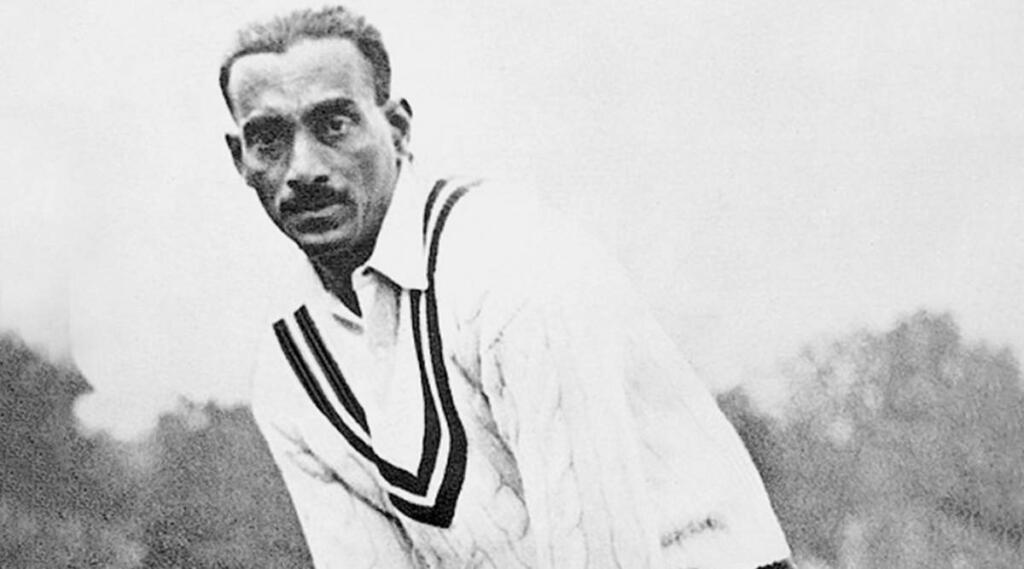

The title “Father of Cricket in India” is proudly given to Colonel Cottari Kanakaiya Nayudu (C. K. Nayudu). He is regarded as the pioneer of Indian cricket and one of the most influential figures in the early development of the sport in India. His leadership, talent, and contribution laid the foundation for modern Indian cricket.
Personal & Career Details of C. K. Nayudu
| Category | Details |
|---|---|
| Full Name | Cottari Kanakaiya Nayudu |
| Popular Name | C. K. Nayudu |
| Born | 31 October 1895 |
| Birthplace | Nagpur, Central Provinces, British India |
| Died | 14 November 1967 |
| Role | Batsman |
| Batting Style | Right-handed |
| Bowling Style | Right-arm medium |
| Teams Played For | India, Hindus, Central India |
| Test Debut | India vs England, 1932 |
| Captaincy | First Test Captain of India |
| Major Title | Father of Cricket in India |
| Military Rank | Colonel (Indian Army) |
Introduction to C. K. Nayudu
Cricket in India did not always enjoy the popularity and success it has today. In the early 20th century, cricket was largely dominated by British players, and Indian participation was limited. During this time, C. K. Nayudu emerged as a symbol of Indian cricketing strength and pride.
He was not just a great batsman, but also a fearless leader who proved that Indian players could compete at the highest international level. His aggressive batting style and commanding presence inspired generations of Indian cricketers.
Why is C. K. Nayudu Called the Father of Cricket in India?
C. K. Nayudu earned this title due to several historic contributions:
- First Captain of Indian Test Team
- Key figure in India’s first Test match (1932)
- Promoted cricket among Indians during British rule
- Inspired confidence and national pride through cricket
- Played a crucial role in popularizing cricket across India
He was among the first Indian cricketers to gain respect from British players and selectors.
Early Life and Background
C. K. Nayudu was born into a sports-loving family. His father was also a cricketer, which played a significant role in shaping his early interest in the game. Nayudu showed exceptional talent at a young age and quickly became known for his powerful hitting.
Unlike many players of his era, he played cricket with aggression and confidence—qualities that were rare among Indian players under British rule.
Rise in Domestic Cricket
Before India had a national team, domestic cricket was the backbone of the sport. C. K. Nayudu dominated tournaments such as:
- Bombay Quadrangular
- Ranji Trophy (later named after Ranjitsinhji)
- Inter-Provincial matches
His performances attracted large crowds, making cricket popular among Indian audiences. He was one of the first Indian cricketers to be treated like a sports celebrity.
India’s First Test Match (1932)
One of the most historic moments in Indian cricket history was India’s first Test match against England at Lord’s in 1932.
Key Highlights:
- C. K. Nayudu was appointed India’s first Test captain
- He scored 40 runs in the first innings
- Faced injuries but still came out to bat bravely
- Earned admiration from English players and spectators
Although India lost the match, Nayudu’s leadership and courage won hearts worldwide.
Leadership and Captaincy
As captain, Nayudu was known for:
- Discipline and unity
- Encouraging young players
- Strong field placements
- Leading by example
He believed that Indian cricketers should play fearlessly, not submissively. This mindset later became the hallmark of Indian cricket.
Batting Style and Playing Technique
C. K. Nayudu was famous for:
- Powerful stroke play
- Strong physique
- Aggressive approach
- Confidence against fast bowlers
He often hit sixes when six-hitting was uncommon, making him a crowd favorite.
Contribution Beyond Playing Career
After retiring from active cricket, Nayudu continued contributing to Indian sports:
- Served as a cricket administrator
- Mentored young players
- Played a role in cricket organization and development
- Joined the Indian Army and achieved the rank of Colonel
His influence extended beyond the boundary lines.
Awards and Honors
To honor his legacy, the BCCI introduced the “C. K. Nayudu Trophy”, awarded to:
- India’s best domestic cricketers
- Outstanding performers in first-class cricket
This trophy ensures that his name remains permanently linked to Indian cricket excellence.
Legacy of C. K. Nayudu
C. K. Nayudu’s legacy is immense:
- He paved the way for Indian cricket on the global stage
- Inspired legends like Vijay Hazare, Lala Amarnath, and later generations
- Represented courage, self-belief, and nationalism through sports
Without pioneers like Nayudu, Indian cricket might not have evolved into the powerhouse it is today.
Comparison with Other Cricket Legends
| Player | Contribution |
|---|---|
| C. K. Nayudu | Foundation & leadership |
| Lala Amarnath | First Indian to score Test century |
| Vijay Hazare | Consistency and class |
| Sunil Gavaskar | Global dominance |
| Sachin Tendulkar | Modern cricket icon |
While many legends followed, Nayudu laid the foundation.
Interesting Facts About C. K. Nayudu
- One of the tallest and strongest cricketers of his time
- Played cricket well into his 50s
- British bowlers feared his hitting ability
- A true symbol of Indian sporting pride
Conclusion
C. K. Nayudu is rightly called the Father of Cricket in India. His courage, leadership, and contribution during the formative years of Indian cricket shaped the future of the sport in the country. He was more than a cricketer—he was a trailblazer who proved that Indians could stand tall on the world stage.
Indian cricket’s glorious journey—from its humble beginnings to global dominance—started with C. K. Nayudu.

 By
By