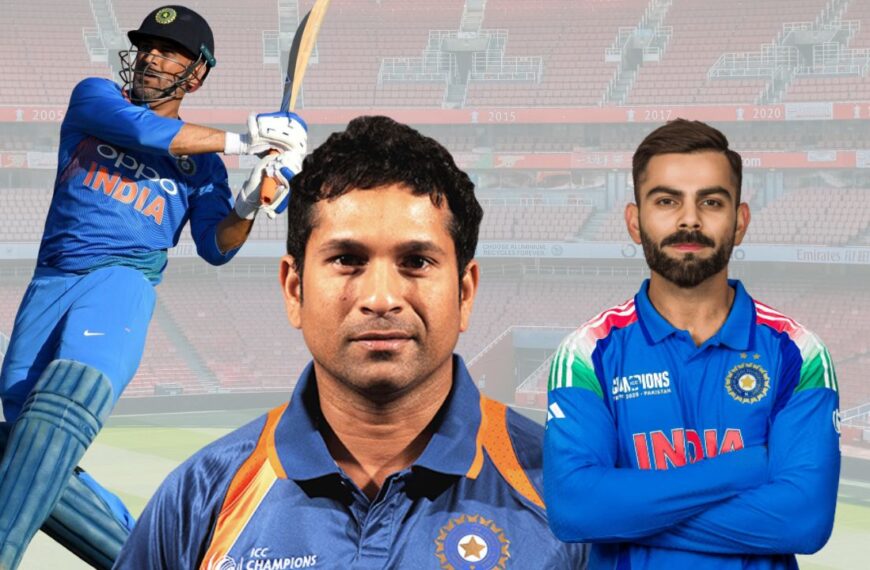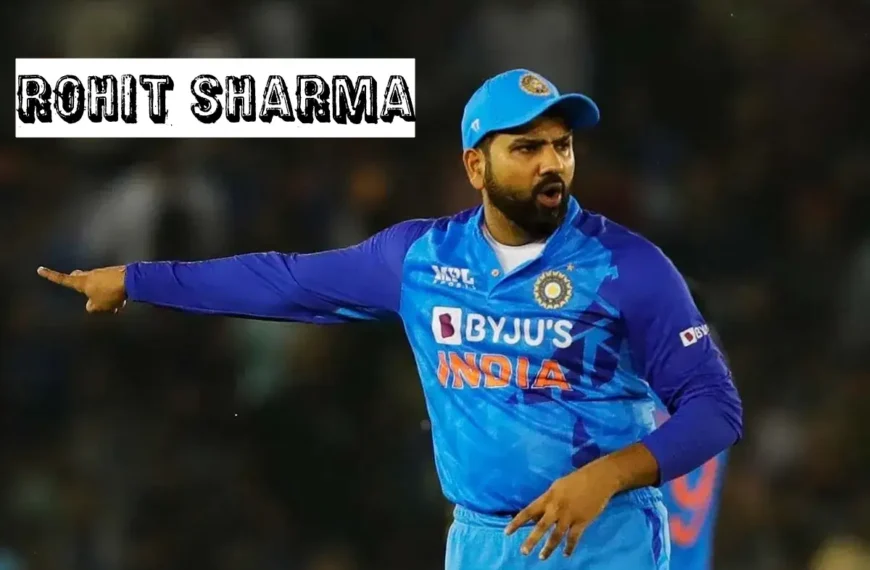

The ICC Men’s Cricket World Cup is the premier international tournament in the One Day International (ODI) format. Organized every four years by the International Cricket Council (ICC), it brings together the best cricketing nations to compete for the most prestigious trophy in the sport. Since its inception in 1975, the World Cup has evolved in format, scale, and global reach, becoming a festival of cricket that captivates millions worldwide.
Early Years (1975–1983): West Indies Dominance
- 1975 (England): The first World Cup was played with 60 overs per side. The West Indies, led by Clive Lloyd, defeated Australia in the final.
- 1979 (England): West Indies defended their title, beating England in the final.
- 1983 (England): India shocked the world by defeating the mighty West Indies at Lord’s, under Kapil Dev’s captaincy. This victory transformed cricket in India forever.
Expansion and New Champions (1987–1999)
- 1987 (India & Pakistan): The first World Cup held outside England. Australia, led by Allan Border, won their maiden title.
- 1992 (Australia & New Zealand): Pakistan, under Imran Khan, lifted their first trophy. This edition introduced colored clothing and day-night matches.
- 1996 (India, Pakistan & Sri Lanka): Sri Lanka, led by Arjuna Ranatunga, stunned the world with their aggressive batting style, winning their first title.
- 1999 (England): Australia began their era of dominance, defeating Pakistan in the final.
Australia’s Golden Era (2003–2007)
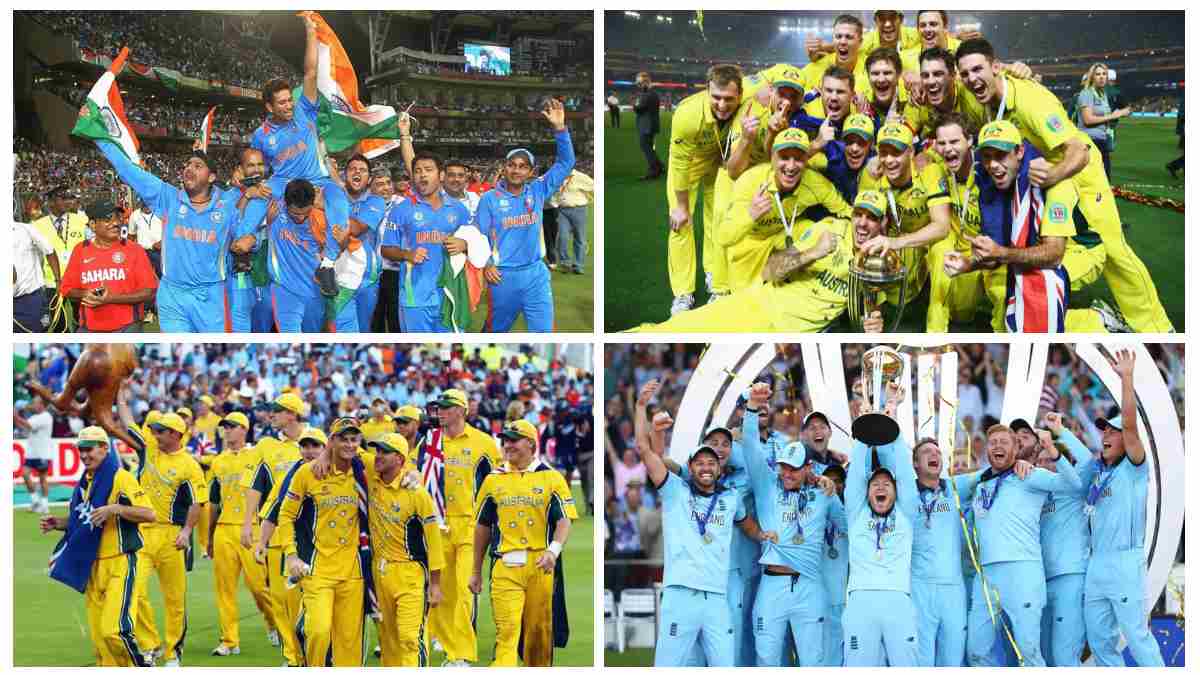
- 2003 (South Africa, Zimbabwe & Kenya): Australia, under Ricky Ponting, won convincingly against India in the final.
- 2007 (West Indies): Australia completed a hat-trick of titles, beating Sri Lanka in the final.
India’s Modern Triumphs and New Winners (2011–2019)
- 2011 (India, Sri Lanka & Bangladesh): India, led by MS Dhoni, won their second title, defeating Sri Lanka in Mumbai.
- 2015 (Australia & New Zealand): Australia claimed their fifth title, beating New Zealand in Melbourne.
- 2019 (England): England won their first-ever World Cup in a dramatic final against New Zealand, decided by a Super Over at Lord’s.
Recent Edition (2023)
- 2023 (India): Australia defeated India in the final at Ahmedabad, winning their sixth title. This cemented Australia as the most successful team in World Cup history.
Impact of the World Cup
- Globalization of cricket: Hosting in different countries expanded cricket’s reach.
- Rise of new powers: Nations like Sri Lanka and England proved that dominance can shift.
- Memorable performances: Kapil Dev’s 175* in 1983, Ponting’s 140* in 2003, Dhoni’s winning six in 2011, and Ben Stokes’ heroics in 2019 are etched in history.
Table of ODI World Cup Winners
| Year | Winner |
|---|---|
| 1975 | West Indies |
| 1979 | West Indies |
| 1983 | India |
| 1987 | Australia |
| 1992 | Pakistan |
| 1996 | Sri Lanka |
| 1999 | Australia |
| 2003 | Australia |
| 2007 | Australia |
| 2011 | India |
| 2015 | Australia |
| 2019 | England |
| 2023 | Australia |
Conclusion
The ICC ODI World Cup has been a journey of legends, rivalries, and unforgettable moments. From the West Indies’ early dominance to Australia’s unmatched success and India’s iconic victories, the tournament reflects the evolution of cricket itself. With new nations rising and formats evolving, the World Cup continues to be the ultimate stage where heroes are made and history is written.

 By
By